

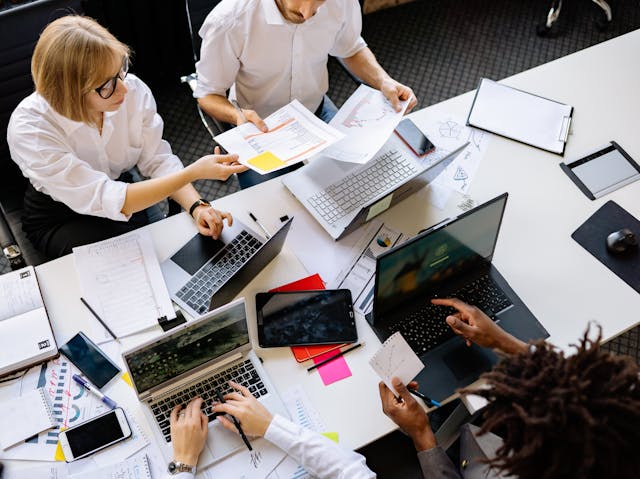
In today’s interconnected and rapidly evolving world, individual talent alone is rarely enough to achieve significant success. Whether in education, business, technology, healthcare, or entrepreneurship, the ability to work effectively with others has become one of the most valuable skills a person can possess. Teamwork and collaboration are no longer optional qualities; they are essential competencies that influence academic achievement, workplace productivity, innovation, and personal growth.
The modern educational landscape increasingly emphasizes collaborative learning because it reflects the realities of professional environments. Students are frequently required to participate in group projects, team presentations, research assignments, and collaborative problem-solving activities. These experiences help prepare learners for careers where cooperation, communication, and collective decision-making play critical roles.
As education continues to embrace digital transformation, online learning platforms have also recognized the importance of developing teamwork and collaboration skills. Platforms such as EasyShiksha provide learners with opportunities to acquire not only academic knowledge but also practical skills that contribute to long-term professional success. Through skill-based courses, collaborative learning opportunities, and career-oriented education, learners can prepare themselves for workplaces that value cooperation and effective teamwork.
Teamwork and collaboration involve more than simply working alongside others. They require communication, mutual respect, accountability, adaptability, and a shared commitment to achieving common goals. Individuals who master these skills are often better equipped to handle challenges, contribute meaningfully to teams, and build successful careers.
This article explores the significance of teamwork and collaboration skills, their role in education and professional development, strategies for improvement, and how platforms like EasyShiksha support learners in developing these essential competencies.
Understanding Teamwork and Collaboration
Teamwork refers to the ability of individuals to work together toward a common objective while combining their strengths, knowledge, and efforts. Collaboration goes a step further by emphasizing active participation, shared responsibility, and collective problem-solving.
While teamwork often focuses on coordinated effort, collaboration involves the exchange of ideas, creativity, and mutual contribution to achieve outcomes that might not be possible individually.
In both academic and professional environments, teamwork and collaboration require individuals to communicate effectively, respect diverse perspectives, and contribute positively to group success. These skills create an environment where collective achievements exceed what individuals could accomplish alone.
Understanding the distinction and relationship between teamwork and collaboration helps learners appreciate their value and develop the competencies needed for success in various settings.
The Growing Importance of Teamwork in Modern Society
The nature of work has changed significantly over the past few decades. Organizations increasingly rely on cross-functional teams, global partnerships, and collaborative projects to achieve business objectives. Technological advancements have connected people across geographical boundaries, making teamwork more important than ever.
Complex challenges often require expertise from multiple disciplines. Whether developing innovative technologies, conducting scientific research, managing healthcare systems, or solving environmental issues, collaboration enables individuals to combine knowledge and perspectives to achieve better results.
Educational institutions have responded to these changes by incorporating collaborative learning experiences into curricula. Students who develop teamwork skills early are better prepared to thrive in professional environments where cooperation and communication are essential.
The ability to work effectively with others has become a key indicator of leadership potential and career readiness.
Teamwork as a Foundation for Academic Success
Academic environments provide numerous opportunities for students to develop teamwork skills. Group assignments, collaborative projects, classroom discussions, and extracurricular activities all require learners to work together toward shared objectives.
Participating in team-based activities helps students improve communication, critical thinking, and problem-solving abilities. They learn how to share responsibilities, manage conflicts, and contribute to collective outcomes.
Teamwork also enhances learning by exposing students to diverse viewpoints and approaches. Collaborating with peers often leads to deeper understanding of concepts and encourages active engagement with educational material.
Online learning platforms such as EasyShiksha support academic development by offering flexible educational resources that complement collaborative learning experiences and skill development initiatives.
Communication: The Core of Effective Collaboration
Communication is the foundation of successful teamwork and collaboration. Without clear and effective communication, misunderstandings, inefficiencies, and conflicts can arise, hindering group performance.
Effective communication involves expressing ideas clearly, listening actively, and ensuring that information is understood by all team members. It requires both verbal and written communication skills, particularly in digital environments where virtual collaboration is common.
Students who develop strong communication abilities are better equipped to participate in discussions, present ideas, provide feedback, and engage constructively with peers.
Communication also fosters trust and transparency, creating an environment where team members feel valued and respected.
Building Trust Within Teams
Trust is an essential component of successful collaboration. Teams function most effectively when members believe that their colleagues are reliable, competent, and committed to shared goals.
Building trust requires consistency, honesty, accountability, and mutual respect. Team members must demonstrate that they can fulfill responsibilities and support one another when challenges arise.
In educational settings, trust encourages open communication and collaboration. Students become more willing to share ideas, ask questions, and contribute meaningfully to group activities.
Developing trust-building skills during academic experiences prepares learners for professional environments where strong interpersonal relationships are critical to team success.
The Role of Diversity in Collaboration
One of the greatest strengths of collaborative environments is diversity. Teams composed of individuals with different backgrounds, experiences, perspectives, and skills often generate more innovative solutions and creative ideas.
Diverse teams challenge assumptions and encourage broader thinking. Exposure to different viewpoints helps individuals develop empathy, cultural awareness, and adaptability.
Educational institutions increasingly emphasize inclusive learning environments that encourage collaboration among students from varied backgrounds. These experiences prepare learners for global workplaces where diversity is both common and valuable.
Effective collaboration involves respecting differences and leveraging diverse strengths to achieve collective success.
Problem-Solving Through Teamwork
Many challenges are too complex for individuals to solve alone. Teamwork enables groups to analyze problems from multiple perspectives and develop comprehensive solutions.
Collaborative problem-solving encourages creativity and critical thinking. Team members can brainstorm ideas, evaluate alternatives, and combine expertise to address challenges effectively.
Students who participate in collaborative learning activities often develop stronger analytical skills because they are exposed to different approaches and reasoning processes.
Problem-solving through teamwork reflects real-world professional environments, where interdisciplinary collaboration is often essential for achieving successful outcomes.
Developing Leadership Through Collaboration
Leadership and teamwork are closely connected. Effective leaders understand how to motivate team members, facilitate communication, and guide groups toward achieving shared objectives.
Collaborative experiences provide valuable opportunities for students to develop leadership skills. Leading a group project, coordinating activities, or facilitating discussions helps learners gain confidence and experience in managing team dynamics.
Importantly, leadership within collaborative environments is not limited to formal positions. Students can demonstrate leadership by contributing ideas, supporting peers, and encouraging productive teamwork.
EasyShiksha’s focus on skill development helps learners cultivate competencies that contribute to both leadership and collaboration success.
Adaptability and Flexibility in Team Environments
Successful collaboration often requires adaptability. Teams frequently encounter changing circumstances, unexpected challenges, and evolving goals.
Adaptable individuals can adjust their approaches, embrace new ideas, and respond effectively to changing conditions. Flexibility enables teams to remain productive even when facing uncertainty or obstacles.
Students who develop adaptability through collaborative experiences become more resilient and better prepared for dynamic professional environments.
The ability to work effectively in diverse and changing situations is increasingly valued by employers across industries.
Conflict Resolution and Team Dynamics
Conflict is a natural aspect of teamwork because individuals may have different opinions, priorities, or working styles. While conflict can create challenges, it can also lead to growth and innovation when managed constructively.
Effective collaboration requires the ability to address disagreements respectfully and professionally. Conflict resolution involves active listening, empathy, compromise, and a focus on shared objectives.
Students who learn to navigate conflicts positively develop stronger interpersonal skills and emotional intelligence. These abilities contribute to healthier team dynamics and more productive collaborations.
Understanding how to manage conflict constructively is an important aspect of both academic and professional success.
Digital Collaboration in the Modern Era
Technology has transformed the way people collaborate. Remote work, virtual classrooms, and digital communication tools have made it possible for teams to work together regardless of physical location.
Digital collaboration requires additional competencies, including virtual communication, online project management, and proficiency with collaborative technologies.
Students increasingly participate in online discussions, virtual group projects, and digital learning communities. Platforms such as EasyShiksha contribute to this environment by providing accessible online learning opportunities that support modern educational experiences.
Developing digital collaboration skills prepares learners for future workplaces where remote and hybrid collaboration models are becoming increasingly common.
Teamwork and Career Success
Employers consistently rank teamwork and collaboration among the most important qualities they seek in candidates. Technical expertise is valuable, but the ability to work effectively with colleagues often determines long-term professional success.
Collaborative employees contribute positively to workplace culture, improve productivity, and support organizational goals. They communicate effectively, build strong relationships, and adapt to team environments.
Students who develop teamwork skills during their educational journeys gain a competitive advantage in the job market. Employers recognize that collaborative individuals are better equipped to navigate workplace challenges and contribute to organizational success.
Continuous learning platforms such as EasyShiksha help learners build both technical and interpersonal skills that enhance career readiness.
Strategies for Improving Teamwork Skills
Developing teamwork and collaboration skills requires intentional effort and practice. Students can improve these competencies by actively participating in group activities, seeking feedback, and reflecting on collaborative experiences.
Listening attentively, communicating clearly, respecting diverse perspectives, and fulfilling responsibilities consistently contribute to stronger teamwork abilities.
Engaging in extracurricular activities, volunteer initiatives, and collaborative academic projects provides valuable opportunities to practice these skills in real-world contexts.
Continuous self-improvement and a willingness to learn from experiences are essential for becoming an effective team member and collaborator.
How EasyShiksha Supports Collaborative Skill Development
EasyShiksha recognizes the growing importance of workplace-ready skills in today’s competitive environment. Beyond academic learning, the platform supports skill development that contributes to personal and professional success.
Through its diverse range of courses, certifications, and educational resources, EasyShiksha encourages learners to develop communication, leadership, problem-solving, and collaboration competencies. These skills complement technical knowledge and prepare students for modern careers.
The platform’s flexible learning environment allows students to pursue continuous improvement while balancing academic and personal responsibilities. By fostering lifelong learning and professional development, EasyShiksha helps learners build the competencies necessary for effective teamwork and collaboration.
As industries increasingly prioritize interpersonal and collaborative abilities, educational platforms play a critical role in preparing students for future success.
The Future of Teamwork and Collaboration
The future of work will likely place even greater emphasis on teamwork and collaboration. Advances in technology, globalization, and interdisciplinary innovation are creating environments where collective intelligence and cooperation are essential.
Artificial intelligence, remote work technologies, and global digital networks will continue transforming how teams interact and solve problems. Individuals who possess strong collaboration skills will be better positioned to adapt and thrive in these evolving environments.
Educational institutions and online learning platforms will play an increasingly important role in helping learners develop the competencies required for successful teamwork in both physical and virtual settings.
The ability to collaborate effectively across cultures, disciplines, and technologies will remain a defining characteristic of successful professionals.
Conclusion
Teamwork and collaboration skills are among the most valuable competencies students can develop in today’s interconnected world. These abilities support academic achievement, enhance personal growth, strengthen professional readiness, and contribute to long-term career success.
Effective collaboration involves communication, trust, adaptability, problem-solving, leadership, and respect for diverse perspectives. By developing these skills, learners become better equipped to navigate educational challenges and thrive in dynamic professional environments.
Online learning platforms such as EasyShiksha support this development by providing flexible educational opportunities, skill-based learning experiences, and resources that prepare students for modern workplace demands. Through continuous learning and practical skill enhancement, learners can build the confidence and capabilities necessary to collaborate effectively in any setting.
As the future of education and work becomes increasingly collaborative, mastering teamwork skills will remain essential for achieving meaningful success and making valuable contributions to society. The ability to work well with others is not merely a professional advantage; it is a lifelong skill that empowers individuals to learn, innovate, and grow together.