

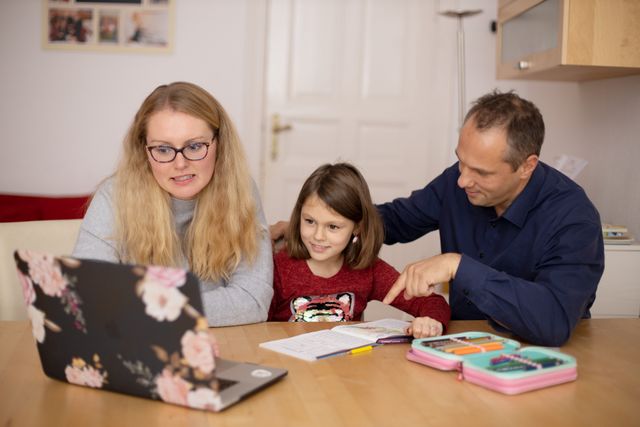
Education is a shared responsibility that extends beyond the walls of a classroom. While teachers play a crucial role in delivering knowledge, guiding learning, and nurturing academic development, parents serve as a child’s first educators and continue to influence their growth throughout life. When parents and teachers work together effectively, they create a supportive environment that significantly enhances a student’s academic performance, emotional well-being, social development,Collaboration and overall success.
Parent-teacher collaboration has become increasingly important in modern education. The educational landscape is evolving rapidly due to technological advancements, changing learning methodologies, and the growing emphasis on holistic student development. In this dynamic environment, students benefit most when there is consistent communication and cooperation between home and school.
Research consistently demonstrates that students perform better academically and develop stronger social skills when parents are actively involved in their education. Collaborative relationships help identify learning challenges early, reinforce positive behaviors, encourage motivation, and create a unified support system for learners. This partnership fosters trust, accountability, and shared commitment toward achieving educational goals.
The rise of digital learning has further transformed parent-teacher collaboration. Online educational platforms now provide additional opportunities for parents and teachers to monitor progress, communicate effectively, and support learning beyond traditional classroom settings. Educational platforms such as EasyShiksha contribute to this transformation by offering accessible learning resources, flexible educational opportunities, and tools that support student growth while encouraging greater parental engagement in the learning process.
This article explores the significance of parent-teacher collaboration, its impact on student success, key strategies for building effective partnerships, challenges that may arise, and the role of digital platforms like EasyShiksha in strengthening communication and educational outcomes.
Understanding Parent-Teacher Collaboration
Parent-teacher collaboration refers to the cooperative relationship between educators and families working together to support a student’s educational journey. It involves open communication, mutual respect, shared goals, and active participation in a child’s learning and development.
This partnership goes beyond occasional meetings or discussions about academic performance. Effective collaboration requires ongoing engagement and a commitment to understanding the unique needs, strengths, and challenges of each student.
When parents and teachers collaborate effectively, they create a consistent learning environment that reinforces educational expectations and promotes student achievement.
The foundation of successful collaboration lies in recognizing that both parents and teachers bring valuable perspectives and contributions to a child’s development.
The Importance of Shared Responsibility in Education
Education is most effective when responsibility is shared among all stakeholders involved in a student’s growth. Teachers provide academic instruction and classroom guidance, while parents offer emotional support, encouragement, and reinforcement of learning at home.
Students benefit when they receive consistent messages regarding the importance of education, discipline, responsibility, and personal development.
Shared responsibility ensures that learning does not remain confined to school hours. Instead, education becomes a continuous process supported by both home and educational institutions.
This collaborative approach creates stronger learning experiences and helps students develop confidence, motivation, and resilience.
The Impact of Parent Involvement on Academic Performance
One of the most widely recognized benefits of parent-teacher collaboration is improved academic performance. Students whose parents actively engage in their education often demonstrate higher grades, better attendance, stronger study habits, and increased motivation.
Parental involvement helps students understand that education is valued and supported. This positive reinforcement encourages learners to take their academic responsibilities seriously.
When parents communicate regularly with teachers, they gain insights into classroom expectations, curriculum requirements, and areas where additional support may be needed.
As a result, students receive timely assistance and guidance that contribute to better educational outcomes.
Supporting Emotional and Social Development
Academic achievement is only one aspect of student success. Emotional well-being and social development are equally important components of a child’s growth.
Parent-teacher collaboration helps create a supportive environment where students feel understood, valued, and encouraged. Teachers can provide observations about classroom behavior, peer interactions, and emotional challenges, while parents can share insights into experiences at home.
This exchange of information enables adults to identify concerns early and implement strategies that support healthy development.
Students who feel supported by both parents and teachers are more likely to develop positive self-esteem, emotional resilience, and strong interpersonal skills.
Building Trust Between Home and School
Trust is the cornerstone of effective parent-teacher relationships. Parents need confidence that educators are committed to their child’s success, while teachers benefit from knowing that parents support educational objectives and classroom expectations.
Building trust requires transparency, honesty, consistency, and mutual respect. Regular communication helps establish positive relationships and reduces misunderstandings.
When trust exists, parents and teachers are more comfortable discussing concerns, sharing ideas, and working together to address challenges.
Strong relationships create a collaborative culture that ultimately benefits students and enhances educational experiences.
Effective Communication as the Foundation of Collaboration
Communication is one of the most important elements of successful parent-teacher collaboration. Open and consistent communication helps ensure that both parties remain informed about student progress, achievements, and areas for improvement.
Effective communication involves sharing information clearly, listening actively, and maintaining respectful dialogue. Teachers should provide regular updates regarding academic performance, classroom activities, and behavioral observations.
Similarly, parents should communicate relevant information about home circumstances, learning challenges, or changes that may affect student performance.
Frequent communication strengthens partnerships and promotes a shared understanding of student needs.
The Role of Parents in Supporting Learning at Home
Parents play a critical role in extending learning beyond the classroom. Creating a positive home environment for education can significantly influence student success.
Supportive home learning environments encourage reading, curiosity, organization, and time management. Parents can help students establish study routines, monitor academic responsibilities, and provide encouragement during challenging periods.
Importantly, parental support does not require advanced subject knowledge. Demonstrating interest in a child’s education, asking about learning experiences, and encouraging effort can have a profound impact.
When home and school work together, students experience greater consistency and motivation.
Teachers as Partners in Student Development
Teachers serve not only as instructors but also as mentors, role models, and guides. Their daily interactions with students provide valuable insights into learning styles, strengths, challenges, and developmental needs.
By sharing observations and recommendations with parents, teachers contribute to a more comprehensive understanding of student progress.
Collaborative relationships allow educators to tailor support strategies more effectively and respond to individual needs.
Viewing teachers as partners rather than solely authority figures fosters stronger educational relationships and more positive outcomes.
Addressing Learning Challenges Through Collaboration
Every student encounters challenges at some point during their educational journey. Academic difficulties, behavioral concerns, emotional struggles, and social issues can affect learning and development.
Parent-teacher collaboration enables early identification and intervention when challenges arise. Through open communication, both parties can share observations and develop coordinated strategies to support the student.
Collaborative problem-solving often leads to more effective solutions because it combines perspectives from both home and school environments.
Timely intervention can prevent minor concerns from developing into more significant obstacles.
Encouraging Student Accountability
Collaboration between parents and teachers also promotes accountability. When students understand that parents and educators communicate regularly, they are more likely to take responsibility for their actions and academic performance.
Consistent expectations across home and school environments reinforce positive behaviors and encourage responsible decision-making.
Students benefit from clear guidance regarding academic goals, behavioral standards, and personal responsibilities.
This accountability helps develop self-discipline, independence, and essential life skills that contribute to long-term success.
The Importance of Goal Setting
Shared goal setting is a valuable component of parent-teacher collaboration. Establishing clear academic and personal development objectives provides direction and motivation for students.
Goals may relate to academic performance, attendance, skill development, behavior improvement, or extracurricular involvement.
When parents and teachers collaborate on goal setting, students receive consistent encouragement and support throughout the process.
Monitoring progress toward goals helps maintain motivation and allows for adjustments when necessary.
Goal-oriented collaboration creates a sense of purpose and achievement.
Technology and Modern Parent-Teacher Collaboration
Technology has transformed communication and collaboration in education. Digital tools enable parents and teachers to stay connected more efficiently than ever before.
Online communication platforms, learning management systems, virtual meetings, and educational applications facilitate real-time information sharing and progress monitoring.
Technology also provides opportunities for greater parental involvement in learning activities and educational planning.
The integration of digital solutions enhances accessibility, convenience, and engagement for both families and educators.
The Role of EasyShiksha in Strengthening Educational Partnerships
EasyShiksha supports modern education by providing accessible online learning opportunities that benefit students, parents, and educators alike. Through its flexible platform, students can access educational content, skill development courses, and learning resources that complement traditional classroom instruction.
For parents, EasyShiksha offers greater visibility into learning activities and educational progress. The platform encourages active involvement by enabling families to support learning beyond school hours.
Teachers can also benefit from supplementary educational resources that reinforce classroom concepts and promote independent learning.
By bridging the gap between home and education, EasyShiksha contributes to stronger parent-teacher collaboration and improved student outcomes.
Overcoming Barriers to Collaboration
Despite its benefits, parent-teacher collaboration may face challenges. Time constraints, communication difficulties, cultural differences, and varying expectations can sometimes hinder effective partnerships.
Addressing these barriers requires flexibility, empathy, and a willingness to adapt communication methods to meet diverse needs.
Schools and educators can create inclusive environments that encourage participation from all families, regardless of background or circumstances.
Similarly, parents can take proactive steps to engage with teachers and remain informed about their child’s education.
Overcoming obstacles strengthens relationships and enhances educational experiences for students.
Creating a Culture of Continuous Support
Successful collaboration is not limited to addressing problems or attending scheduled meetings. It involves creating a culture of continuous support and engagement.
Regular communication, shared celebrations of achievements, and ongoing involvement contribute to stronger relationships between families and educators.
Positive interactions build trust and reinforce a collective commitment to student success.
A supportive educational culture helps students feel valued and encourages them to strive for excellence.
Preparing Students for Future Success
The benefits of parent-teacher collaboration extend beyond immediate academic outcomes. Students who experience strong support systems develop skills and attitudes that contribute to long-term success.
They learn the importance of communication, cooperation, responsibility, and perseverance. They also gain confidence from knowing that important adults in their lives are working together to support their growth.
These experiences prepare students for future educational challenges, professional opportunities, and personal development.
Collaboration creates a foundation for lifelong learning and achievement.
The Future of Parent-Teacher Collaboration
As education continues to evolve, parent-teacher collaboration will remain a critical factor in student success. Emerging technologies, personalized learning approaches, and digital education platforms will create new opportunities for engagement and communication.
Future educational models are likely to place even greater emphasis on partnerships between families, schools, and learning platforms.
Educational institutions that prioritize collaboration will be better positioned to support diverse student needs and foster meaningful learning experiences.
By embracing innovation and maintaining strong relationships, parents and teachers can continue working together to empower future generations.
Conclusion
Parent-teacher collaboration is one of the most powerful influences on student success. When families and educators work together, they create a supportive environment that promotes academic achievement, emotional well-being, social development, and lifelong learning.
Effective collaboration is built on communication, trust, shared responsibility, and mutual respect. Through consistent engagement, parents and teachers can identify challenges, celebrate achievements, establish meaningful goals, and provide coordinated support that enhances educational outcomes.
In the digital age, platforms such as EasyShiksha further strengthen these partnerships by offering accessible learning resources, flexible educational opportunities, and tools that encourage active participation in student development. By extending learning beyond traditional classrooms, EasyShiksha supports collaborative efforts that benefit learners at every stage of their educational journey.
Ultimately, the success of students depends not only on what happens in classrooms but also on the strength of the relationships that surround and support them. Through meaningful parent-teacher collaboration, educators and families can work together to nurture confident, capable, and successful learners prepared to thrive in an ever-changing world.