

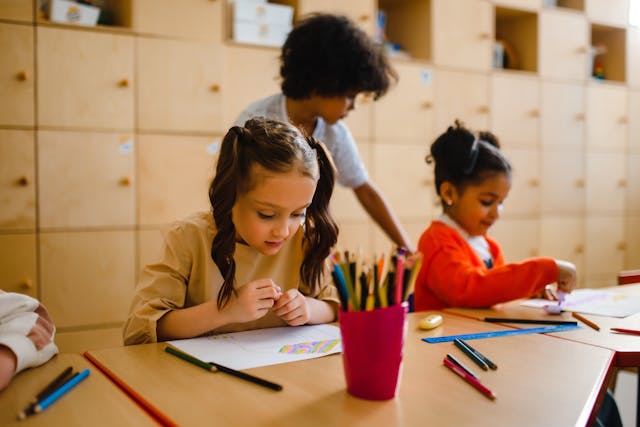
Understanding personal strengths at an early stage plays a crucial role in shaping a student’s academic journey and future career path. When students identify what they are naturally good at, they can make better decisions regarding their education, Students Can Discover Their Strengths ,skill development, and career opportunities. Early self-awareness not only boosts confidence but also allows students to focus their energy on areas where they can excel.
In today’s competitive environment, discovering strengths early helps students build a clear direction and maximize their potential.
Why Identifying Strengths Early Is Important
Recognizing strengths early provides students with a significant advantage in both personal and professional development. It helps them focus on activities and learning paths that align with their natural abilities.
Key benefits include:
-
Improved self-confidence and motivation
-
Better academic and career decision-making
-
Enhanced productivity and learning efficiency
-
Clearer career goals and direction
-
Stronger personal and professional growth
Students who understand their strengths are more likely to pursue opportunities that match their abilities and interests.
Signs That Help Students Identify Their Strengths
Students often display strengths naturally in their daily activities, interests, and learning patterns. Paying attention to these indicators can help them recognize their talents.
Common signs include:
-
Activities they enjoy doing without feeling pressured
-
Subjects where they consistently perform well
-
Tasks that feel easier compared to others
-
Positive feedback from teachers, mentors, or peers
-
Situations where they naturally take initiative or leadership
Recognizing these patterns can provide valuable insights into a student’s natural capabilities.
Practical Ways Students Can Discover Their Strengths
There are several effective strategies students can use to explore and understand their abilities.
1. Self-Reflection and Personal Assessment
Self-reflection allows students to evaluate their interests, skills, and experiences.
Students can ask themselves questions such as:
-
What subjects do I enjoy the most?
-
What tasks make me feel confident?
-
In which activities do others often seek my help?
Keeping a journal or writing reflections can help students track patterns in their abilities and preferences.
2. Exploring Different Activities
Trying various activities allows students to discover hidden talents they might not be aware of.
Students should participate in:
-
Clubs and student organizations
-
Sports and extracurricular activities
-
Competitions and workshops
-
Creative or technical projects
Exposure to diverse experiences often reveals unexpected strengths.
3. Seeking Feedback from Others
Teachers, mentors, friends, and family members can provide valuable insights about a student’s abilities.
Helpful sources of feedback include:
-
Teachers who observe academic performance
-
Mentors who guide personal development
-
Peers who collaborate on projects
-
Parents who notice behavioral patterns
Constructive feedback can highlight strengths that students may overlook themselves.
4. Taking Skill and Personality Assessments
Various assessments can help students identify their natural preferences and strengths.
Examples include:
-
Personality assessments
-
Career aptitude tests
-
Skill evaluation tools
-
Interest-based questionnaires
These tools provide structured insights into a student’s abilities and potential career directions.
5. Learning from Successes and Failures
Both success and failure provide opportunities to learn about strengths.
Students should analyze situations where they performed well and identify the skills they used. Similarly, challenges can reveal areas where improvement is needed.
This reflective approach helps students build a balanced understanding of their capabilities.
Role of Schools and Educators
Educational institutions and teachers play an important role in helping students discover their strengths.
They can support students by:
-
Encouraging project-based learning
-
Providing career guidance and counseling
-
Organizing skill development workshops
-
Creating opportunities for leadership and teamwork
When schools actively support self-discovery, students become more confident and motivated learners.
Developing Strengths After Identifying Them
Discovering strengths is only the first step. Students must continue developing these abilities to maximize their potential.
Ways to strengthen abilities include:
-
Practicing skills regularly
-
Taking advanced courses in areas of interest
-
Participating in competitions and real-world projects
-
Seeking mentorship and guidance
Continuous learning and practice transform natural strengths into professional-level skills.
Conclusion
Discovering strengths early allows students to build a strong foundation for future success. Through self-reflection, exploration, feedback, and skill development, students can gain a deeper understanding of their abilities and interests.
When students identify and nurture their strengths early, they become more confident, motivated, and better prepared to pursue meaningful academic and career opportunities.