

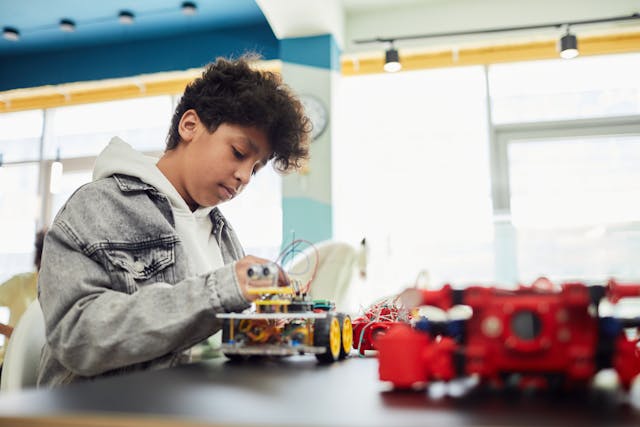
In today’s rapidly evolving world, success is no longer determined solely by academic performance. While education provides foundational knowledge, the development of a single powerful one skill can significantly transform a student’s future. Whether it is communication, problem-solving, coding, leadership, or creativity, mastering one valuable skill can open doors to opportunities, career growth, and personal development.
Many successful professionals attribute their achievements not just to degrees but to a key skill that helped them stand out in competitive environments. For students, identifying and developing such a skill early can become a turning point in their academic and professional journey.
Why One Skill Can Make a Big Difference
A strong skill can act as a catalyst for growth and opportunity. While students may learn many subjects, focusing deeply on one valuable ability can build expertise and confidence.
Key reasons why one skill can transform a student’s future include:
-
It helps students stand out in competitive environments
-
It increases employability and career opportunities
-
It builds confidence and self-belief
-
It creates opportunities for networking and collaboration
-
It provides a foundation for lifelong learning
When a student masters a valuable skill, it often leads to recognition and new opportunities that shape their future.
Examples of Skills That Can Transform a Student’s Future
Different skills can have a powerful impact depending on a student’s interests and career goals.
Some highly impactful skills include:
1. Communication Skills
Strong communication skills help students express ideas clearly and build meaningful relationships.
Benefits include:
-
Confidence in presentations and public speaking
-
Effective collaboration in teams
-
Better performance in interviews and professional settings
Students who communicate well often become leaders and influencers in academic and professional environments.
2. Problem-Solving Skills
The ability to analyze situations and find solutions is highly valued in every industry.
Students who develop problem-solving skills can:
-
Handle complex challenges effectively
-
Think critically and creatively
-
Make informed decisions
Employers often prioritize candidates who can identify problems and propose innovative solutions.
3. Digital and Technical Skills
In the digital age, technical skills such as coding, data analysis, and digital literacy can significantly boost career prospects.
These skills allow students to:
-
Work with modern technologies
-
Build projects and portfolios
-
Access global job opportunities
Technical skills are increasingly becoming essential in many industries.
4. Leadership Skills
Leadership is not limited to managing people; it involves taking initiative and guiding others toward goals.
Students who develop leadership abilities often:
-
Inspire and motivate peers
-
Take responsibility in group projects
-
Gain valuable experience in decision-making
Leadership skills are highly valued in both academic and professional settings.
How Students Can Develop a Powerful Skill
Developing a skill requires dedication, practice, and continuous learning.
Students can strengthen a skill by:
-
Practicing regularly and consistently
-
Taking online courses or specialized training
-
Participating in projects, competitions, or internships
-
Learning from mentors and experienced professionals
-
Seeking feedback to improve performance
Small, consistent efforts over time can transform a basic ability into an advanced skill.
The Long-Term Impact of Mastering One Skill
When students master a valuable skill, the impact extends far beyond academics.
Long-term benefits include:
-
Increased career opportunities
-
Strong personal confidence
-
Ability to adapt to changing industries
-
Greater professional recognition
-
Potential for innovation and entrepreneurship
One well-developed skill can become the foundation upon which students build multiple opportunities throughout their careers.
Encouraging Skill-Based Learning in Education
Educational institutions can play an important role in helping students develop meaningful skills.
Colleges and schools can support students by:
-
Promoting project-based learning
-
Encouraging participation in workshops and clubs
-
Providing mentorship and career guidance
-
Offering practical training alongside academic learning
Such initiatives help students bridge the gap between theoretical education and real-world application.
Conclusion
A single skill has the potential to reshape a student’s future in remarkable ways. While academic knowledge remains important, the ability to develop and master a practical skill can open new pathways for success.
By identifying their strengths, investing time in learning, and consistently improving their abilities, students can transform one skill into a powerful tool that shapes their academic journey, career prospects, and personal growth.