

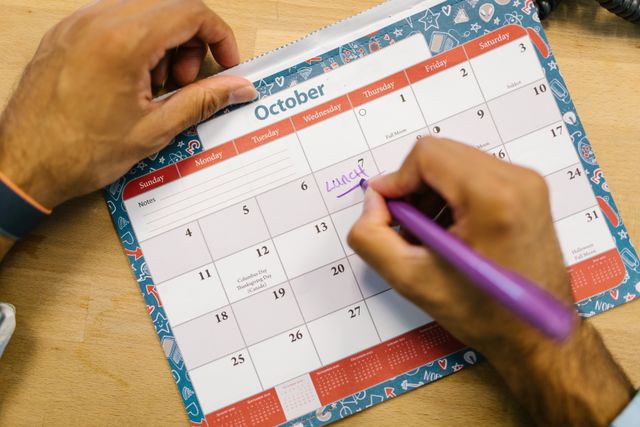
Modern education is organised around time. Students begin academic years on predetermined dates, attend classes according to institutional schedules, complete semesters within fixed periods and graduate after fulfilling requirements within an established programme structure. This system has helped schools and universities coordinate teaching, examinations, administration and academic progression for generations. However, it also creates an assumption that students should learn at approximately the same pace and move through educational stages according to the same calendar.
In reality, learning does not follow a uniform schedule. One student may understand a programming concept within a few days, while another may need several weeks of practice. A learner with previous professional experience may already understand certain subjects before entering a degree programme. Another student may need additional time to develop foundational knowledge before progressing to advanced material. Some learners study full-time, while others balance education with employment, family responsibilities or financial limitations.
Despite these differences, traditional academic structures frequently require students to follow fixed progression timelines. A student who masters a subject early may still need to wait for the next semester to access the next stage. Another who needs more time may be required to complete assessments within the same institutional schedule as everyone else.
This raises an important question: Could education function without traditional academic calendars, semesters or fixed graduation dates?
Imagine an educational system in which students begin learning whenever they are ready, progress when they demonstrate sufficient understanding and receive recognised credentials when they meet clearly defined requirements. Instead of completing a degree simply because a certain number of academic years have passed, learners could progress through verified stages of knowledge and capability.
This concept introduces the possibility of Calendar-Independent Education, a model in which learning progression is determined primarily by demonstrated achievement rather than fixed academic dates. It does not necessarily require schools and universities to eliminate all schedules. Instead, it explores how educational systems could become more flexible, competency-driven and responsive to individual learning journeys.
For EasyShiksha, this idea is particularly relevant because online courses, quizzes, internships, projects, certificates, university programmes, games and career guidance can support learning experiences that extend beyond traditional semester structures. The opportunity is to connect these experiences into a system where students can progress according to their capabilities, goals and circumstances.
Why Traditional Academic Calendars Became the Foundation of Education
Academic calendars were developed to organise large educational institutions. Schools and universities need schedules for admissions, teaching periods, examinations, holidays, faculty allocation, classroom management and administrative activities. When hundreds or thousands of students participate in the same programme, fixed dates make coordination easier.
The semester system also provides a predictable structure. Students know when a course begins, when examinations take place and when results are expected. Teachers can organise curricula into manageable periods, while institutions can allocate resources according to established academic cycles.
These advantages should not be ignored. Traditional calendars provide consistency, accountability and operational efficiency. They also create common milestones that help students plan their educational and personal lives.
However, a structure designed primarily for institutional coordination may not always represent the natural progression of individual learning. The calendar determines when a student is expected to complete a subject, but it cannot guarantee that the student has reached the required level of understanding by that date.
This creates a distinction between completing an academic period and mastering its content. A student may pass an examination at the end of a semester but forget much of the material later. Another may understand the subject deeply but perform poorly because of the timing or format of a particular assessment.
Calendar-independent education would attempt to separate educational progress from administrative time. It would preserve the benefits of structured learning while allowing students to demonstrate achievement according to their actual development.
The Difference Between Time-Based Education and Mastery-Based Progression
Traditional education frequently measures progress through a combination of attendance, coursework, examinations and accumulated academic credits. Students are expected to complete defined learning activities within a specified period. Their progression is therefore partly connected to the passage of time.
A mastery-based model places greater emphasis on whether the learner has demonstrated the required knowledge and capability. Time remains relevant because learning requires effort and practice, but it does not automatically determine progression.
Consider two students enrolled in an introductory programming course. The first has already studied programming independently and understands most foundational concepts. The second is encountering programming for the first time and needs additional practice with variables, conditions and loops.
Under a strictly time-based system, both students may be expected to complete the same lessons and examinations within the same semester. Under a mastery-based system, the first student could demonstrate proficiency in foundational concepts and progress to more advanced tasks. The second could receive additional explanations, exercises and opportunities to practise before moving forward.
This approach recognises that equal educational opportunities do not always require identical learning timelines. Students can work towards the same learning outcomes while following different routes to achieve them.
For EasyShiksha, this could be explored through courses connected to diagnostic quizzes, practical assessments and project-based progression. A student could move forward when the relevant competencies have been demonstrated rather than simply because the scheduled course period has ended.
What Would Replace the Semester System?
Removing traditional semesters without introducing an alternative structure would create confusion. Students still need clear learning objectives, progress records, assessment requirements and recognised stages of development. A calendar-independent system would therefore need a different organisational model.
One possibility is a continuous learning pathway divided into competency stages. Instead of organising education primarily around semesters, programmes could be structured around the knowledge and capabilities learners must demonstrate.
A student studying computer science, for example, could progress through foundational programming, data structures, software development, database systems and practical application. Each stage would have defined learning outcomes and assessment requirements. Students would progress after meeting those requirements, regardless of whether they completed the stage in four weeks or four months.
Another possibility is a modular educational structure. Students could combine smaller learning units into broader qualifications. Each module would have clearly defined prerequisites and outcomes, allowing learners to build a personalised progression route while preserving academic coherence.
This does not mean that every subject should be divided into short courses. Complex disciplines require sustained study, conceptual depth and structured development. The important change would be that progression is connected to demonstrated achievement rather than an inflexible academic timetable.
Continuous Admission: Could Students Begin Learning at Any Time?
One of the most visible changes in calendar-independent education would be continuous admission. Instead of requiring all students to join a programme on a small number of predetermined dates, educational providers could allow learners to begin at different points throughout the year.
This model is already possible in some online courses and flexible training programmes, but extending it across broader educational pathways would require more sophisticated planning. Students would need access to introductory resources, diagnostic assessments, academic guidance and clear progression requirements.
Continuous admission could reduce the time learners spend waiting for the next academic intake. A student who discovers an interest in data analytics in November, for example, might be able to begin foundational learning immediately rather than waiting until the following academic year.
It could also support people returning to education after employment, career interruptions or personal responsibilities. They would not necessarily need to align their circumstances with a traditional university admission cycle.
For EasyShiksha, continuous access to online courses, quizzes and learning activities could support this flexibility. Students could explore new subjects when their interests develop and gradually connect those experiences with practical learning and longer-term educational goals.
However, continuous admission would require sufficient academic support. Learners entering at different times must still receive guidance, access to relevant resources and opportunities to interact with instructors or peers.
Graduation Could Become an Achievement Event Rather Than a Fixed Date
Traditional graduation dates are important institutional milestones. They recognise the completion of a programme and provide an opportunity for students, families and educators to celebrate academic achievement. However, graduation ceremonies are administrative and social events; they do not necessarily need to determine when a student becomes academically qualified.
In a calendar-independent system, graduation could become a flexible recognition process. A learner would complete a qualification after satisfying its academic and practical requirements, regardless of the date on which other students complete theirs.
For example, one student might complete a programme in two years because of previous knowledge and intensive study. Another might require three years because they are balancing employment with education. If both demonstrate the same required competencies and meet the same academic standards, their achievements could be recognised without treating one as inherently more capable.
Institutions could still organise annual or periodic graduation ceremonies. The difference would be that the ceremony would celebrate achievements already earned rather than serve as the only point at which academic completion is formally recognised.
For digital education platforms such as EasyShiksha, certificates could potentially be issued when students complete defined learning and assessment requirements. This would make recognition more closely connected to achievement while preserving the importance of formal academic qualifications where applicable.
Competency-Based Education as the Foundation of Calendar Independence
Calendar-independent education would depend heavily on competency-based learning. Without clear definitions of what students must know and demonstrate, flexible progression could become inconsistent.
Competencies describe the knowledge, skills and abilities required to perform particular tasks or understand specific concepts. They can include theoretical understanding, technical execution, communication, analytical reasoning and practical problem-solving.
A competency-based programme would define what successful performance looks like. Students could study through different resources and at different speeds, but the expected learning outcomes would remain consistent.
For instance, a student learning web development might need to demonstrate an understanding of HTML, CSS and JavaScript, build a functioning website, identify and correct errors and explain important technical decisions. Completing video lessons would not automatically establish mastery. The learner would need to provide appropriate evidence.
This approach could make educational progression more meaningful because students would advance based on demonstrated capability rather than course duration alone.
EasyShiksha could potentially connect course completion with quizzes, practical exercises and projects to support this model. The objective would be to help learners understand not only what they have studied but also what they can successfully demonstrate.
The Role of AI in Managing Continuous Learning Progression
A calendar-independent educational system would generate more complex progression requirements than a conventional semester structure. Students could enter at different times, complete modules at different speeds and follow different combinations of learning experiences.
Artificial intelligence could help manage this complexity. An AI-supported learning system could analyse a student’s previous achievements, diagnostic assessment results and current learning goals to recommend appropriate next steps.
For example, a student beginning an artificial intelligence pathway might already understand Python but have limited knowledge of statistics. The system could recommend a diagnostic assessment and identify which foundational topics need attention. Another learner might demonstrate strong performance in mathematics but need more programming practice.
AI could also help estimate whether a learner is ready to progress to a more advanced stage. However, readiness should not be determined only through automated predictions. Students must have opportunities to demonstrate their knowledge, receive human feedback and challenge incorrect assessments.
The most useful role of AI would be to coordinate the learning journey. It could help students navigate flexible pathways without making the educational process confusing or overly dependent on administrative decisions.
For EasyShiksha, an AI-supported progression model could connect online courses, quizzes, projects and career guidance into a more continuous learning experience.
Courses Could Become Flexible Learning Modules
In traditional academic programmes, courses are commonly associated with semester schedules. Students enrol in a subject, attend classes, complete assignments and take examinations within a defined period.
Calendar-independent education could reorganise courses into flexible learning modules with clearly stated outcomes and prerequisites. Students could begin modules when they are ready and complete them after demonstrating the required understanding.
A module might contain instructional content, practice activities, assessments and an applied task. Some learners may complete it quickly because they already understand the subject, while others may require more time and additional practice.
This approach could be especially useful in technology, business, finance and digital marketing, where students often need to acquire specific skills without necessarily enrolling in an entire academic programme.
However, flexibility should not undermine academic depth. Modules must remain connected through a coherent curriculum. A student should not be able to complete advanced topics without understanding the foundations on which they depend.
EasyShiksha could potentially support modular pathways through structured courses that allow students to develop skills progressively while retaining a clear view of their overall learning objectives.
Quizzes Could Determine Readiness Instead of Simply Producing Marks
In a conventional academic system, quizzes and examinations often contribute to final grades. Their results may determine whether students pass a subject or progress to the next academic stage.
In a mastery-based system, assessments could serve a broader purpose. They could identify whether students are ready to advance, which concepts require additional practice and where previous knowledge needs reinforcement.
A student learning accounting, for example, could complete a diagnostic quiz before beginning an advanced financial analysis module. If the student demonstrates sufficient understanding of foundational accounting principles, they could proceed. If important gaps remain, the system could recommend targeted revision.
This would make assessment part of the progression architecture rather than an event that occurs only at the end of a semester.
EasyShiksha’s quiz ecosystem could potentially support this model by connecting assessments with course content and practical activities. The focus would shift from collecting marks to understanding whether students have developed the knowledge required for the next stage.
Importantly, students should be able to attempt assessments more than once when appropriate. A failed attempt should identify an area for improvement rather than permanently prevent progression.
Projects Could Become Milestones in Academic Progression
Projects provide a way to examine whether students can apply knowledge beyond conventional examination questions. In a calendar-independent model, they could become important milestones for demonstrating capability.
A student studying web development might complete several small exercises before building a functioning website. A finance learner could analyse a business’s financial information. A digital marketing student might create a campaign strategy based on a realistic business brief.
These projects would provide evidence that the learner can use concepts in practical situations. Their assessment could examine the quality of the outcome, the suitability of the approach and the student’s ability to explain important decisions.
Projects would also help connect academic learning with professional expectations. Students would gradually build a record of work that demonstrates how their knowledge has developed.
For EasyShiksha, project-based milestones could connect online courses with practical learning. Students would have opportunities to demonstrate capability before progressing towards internships or more advanced educational experiences.
Internships Could Operate Independently of Academic Semesters
Internships are frequently connected to university calendars. Institutions may arrange placements during summer breaks or specific academic periods, which can make opportunities difficult to access for students whose schedules differ.
A more flexible educational model could allow internships to become part of continuous learning progression. Students could begin an internship after meeting relevant prerequisites rather than waiting for a particular semester.
For example, a student who completes foundational programming courses and demonstrates practical ability might become eligible for a suitable internship whenever an opportunity becomes available. Another learner might need additional project experience before being ready.
Internship assessment could focus on the responsibilities performed, skills demonstrated, professional feedback and evidence of completed work. The duration would remain important for understanding the experience, but time spent in an organisation would not automatically prove that the learner had developed the intended competencies.
EasyShiksha could potentially connect course progression, projects and internships into a more flexible pathway. This would make professional exposure a natural part of learning rather than an activity restricted to a specific academic window.
University Programmes Would Still Need Structure and Academic Standards
Removing traditional academic calendars does not mean removing universities, degrees or formal educational requirements. Universities provide structured knowledge, academic supervision, research opportunities and recognised qualifications. These functions remain important even when learning becomes more flexible.
The challenge would be to separate essential academic standards from unnecessary scheduling restrictions. Universities could maintain defined curricula, credit requirements, assessment criteria and faculty supervision while offering more flexible entry and progression arrangements where regulations permit.
Some programmes would require fixed schedules because of laboratory access, clinical placements, collaborative research or sequential teaching. Other subjects might offer greater flexibility through online instruction, modular coursework and competency-based assessments.
A calendar-independent model would therefore not require every university programme to operate in the same way. It would allow flexibility where academically appropriate while preserving essential requirements.
For EasyShiksha, university programmes could form part of a wider learning ecosystem that also includes online courses, practical projects and career development resources. Students could use complementary learning experiences to strengthen their preparation while respecting the formal requirements of their chosen qualification.
The Economic Benefits of Flexible Educational Timelines
Traditional academic schedules can create costs for students and institutions. Students may need to wait for the next intake, spend additional time completing subjects they have already mastered or extend their education because of scheduling conflicts.
A flexible progression model could help reduce some of these inefficiencies. Learners with prior knowledge might demonstrate competence through appropriate assessments rather than repeating all introductory instruction. Students balancing employment and education could progress at a pace that fits their circumstances.
However, faster completion should not automatically become the primary objective. Some subjects require extensive practice, research and supervised experience. Reducing the duration without preserving learning quality could create graduates who possess credentials but lack sufficient capability.
The economic value of calendar-independent education would therefore depend on better use of time rather than simply shortening every programme. Students could spend more time on areas where they need development and less time repeating content they have already mastered.
This could make education more adaptable while helping learners balance the costs of study, employment and personal responsibilities.
The Risk of Unequal Learning Speeds and Hidden Disadvantages
A flexible system may appear fair because students can progress at different speeds. However, differences in learning time can also reflect unequal access to resources.
A student with reliable internet, a personal computer, a quiet study environment and strong academic support may progress faster than someone who shares devices, works part-time or has limited access to guidance.
If institutions begin treating completion speed as a measure of intelligence or capability, students with fewer resources could be unfairly disadvantaged.
Calendar-independent education must therefore distinguish between flexible progression and pressure to complete faster. Students should be allowed to take the time they need without being treated as less capable.
Institutions and platforms would also need to provide academic support, accessible learning resources and opportunities for students to pause and resume their studies. Flexible progression should increase learner control rather than transfer all responsibility for educational success onto individuals.
For EasyShiksha, this means that flexible courses and learning pathways should be supported by clear guidance, accessible content and realistic expectations about the time required to develop different capabilities.
Maintaining Collaboration Without Fixed Academic Cohorts
Traditional academic calendars create shared experiences. Students begin programmes together, attend the same classes, participate in group projects and graduate as part of a cohort. These experiences can build friendships, professional networks and a sense of belonging.
A calendar-independent system could weaken these shared structures if students progress entirely at their own pace. Learners might enter and leave programmes at different times, making it more difficult to organise group activities.
However, flexible learning does not require isolated learning. Digital platforms could create project-based cohorts, subject communities, peer-learning groups and collaborative challenges that bring together students working towards similar goals.
For example, students studying data analytics could participate in a shared project even if they began their courses at different times. Learners could collaborate through scheduled workshops or online communities without needing to follow identical academic timelines.
EasyShiksha could potentially use games, group challenges and collaborative projects to support social learning alongside flexible individual progression.
The objective would be to preserve the benefits of academic communities without requiring every student to move through education at the same speed.
How Would Institutions Manage Faculty, Examinations and Administration?
One of the largest practical challenges would involve institutional operations. Universities and colleges depend on academic calendars to allocate faculty, manage examinations, organise facilities and plan budgets.
A system without fixed semesters would require more continuous administration. Assessments might take place throughout the year, students could request academic support at different times and faculty members might need to supervise multiple progression stages simultaneously.
Technology could help coordinate these activities, but it would not remove the need for institutional planning. Universities would require reliable systems for scheduling assessments, managing student records, allocating faculty time and maintaining academic quality.
Some educational activities would continue to operate on schedules. Laboratories, practical examinations, research supervision and group-based instruction may require coordinated time periods.
The most realistic model would therefore be calendar-flexible rather than completely schedule-free. Institutions could maintain operational calendars while giving students greater freedom over when they begin and complete individual learning stages.
This distinction is important. The objective is not to eliminate planning but to prevent administrative schedules from unnecessarily restricting learning progression.
Measuring Progress Without Academic Years
If students no longer progress primarily through semesters, educational systems would need alternative ways to communicate achievement.
A student record could organise progress around completed competencies, assessed modules, practical projects and recognised qualifications. Instead of showing only that a learner has completed the second semester, it could describe which capabilities have been demonstrated and which stages remain.
This would provide a more detailed understanding of educational development. Employers could see relevant evidence of practical work, while universities could evaluate previous learning when considering admission or credit recognition.
For EasyShiksha, a connected learning record could potentially bring together course achievements, quiz performance, project completion and internship experiences. The record would help students understand their progress without making the academic calendar the central measure of development.
However, educational records must preserve context. A completed quiz, a supervised project and a university qualification are not equivalent achievements. Each should be described accurately, including its assessment method and issuing organisation.
Could Graduation Become Continuous?
One of the most significant implications of calendar-independent education would be the possibility of continuous qualification recognition.
Instead of waiting for an annual graduation ceremony, learners could receive confirmation of completed qualifications when all academic requirements have been fulfilled. Institutions could continue to organise ceremonies, but the recognition of achievement would not necessarily depend on a shared graduation date.
This could make educational recognition more responsive. A learner completing a professional programme in February would not need to wait until July simply because the institution follows a fixed annual ceremony schedule.
However, formal degrees remain subject to institutional regulations and applicable recognition requirements. A digital platform cannot independently declare that a student has earned an accredited university qualification unless the authorised institution has awarded it.
For EasyShiksha, the distinction between course certificates, programme completion records and formal degrees would remain essential. Faster or more flexible recognition should never create confusion about the status of a credential.
The Future of Education: From Academic Time to Learning Progression
The future of education may involve a gradual shift away from treating academic time as the primary organiser of student progress. Digital platforms, adaptive assessments, modular programmes and flexible institutional models could make it easier for learners to enter education, develop capabilities and receive recognition at different times.
Students might combine university programmes with online courses, projects, internships and professional training. Their learning pathways could evolve as their interests and career goals change. Instead of completing one fixed sequence of academic years, they could continue developing capabilities throughout their professional lives.
Artificial intelligence could help recommend learning activities and identify readiness for progression. Digital credentials could make achievements easier to verify, while practical assessments could demonstrate whether knowledge has been applied successfully.
Nevertheless, education would still need structure, academic standards, teaching expertise and meaningful assessment. Removing semesters without replacing their organisational functions would create uncertainty rather than progress.
The most promising future would combine institutional reliability with learner flexibility. Academic calendars could remain useful for coordination, but they would no longer need to determine every student’s educational journey.
Conclusion: Education Should Follow Learning, Not Just the Calendar
Traditional academic calendars, semesters and graduation dates have provided education with an effective organisational structure. They have helped institutions coordinate teaching, examinations and qualifications. However, they do not always reflect the different ways in which students learn, develop skills and prepare for professional life.
Calendar-independent education offers an alternative perspective. It proposes that students should be able to begin learning when they are ready, progress when they demonstrate mastery and receive recognition when they meet clearly defined requirements. Competency-based progression, modular courses, continuous assessments, practical projects and flexible internships could make this approach possible.
For EasyShiksha, this concept creates an opportunity to connect online courses, quizzes, games, projects, internships, certificates, university programmes and career guidance through a more flexible educational ecosystem. Students could move from knowledge acquisition to practical application and professional experience without treating every stage as a separate academic event.
The transition would require careful planning, reliable assessment, institutional cooperation, accessible technology and strong academic governance. Not every subject or programme could abandon fixed schedules, and not every learner would benefit from completely independent progression. Flexibility should complement structure rather than eliminate it.
Ultimately, the purpose of education is to develop knowledge, understanding and capability. Academic calendars should help organise that process, not become the only measure of when learning can happen.
The future of education may not be defined by when a semester begins or when graduation takes place, but by what a learner is genuinely ready to understand, demonstrate and achieve.