

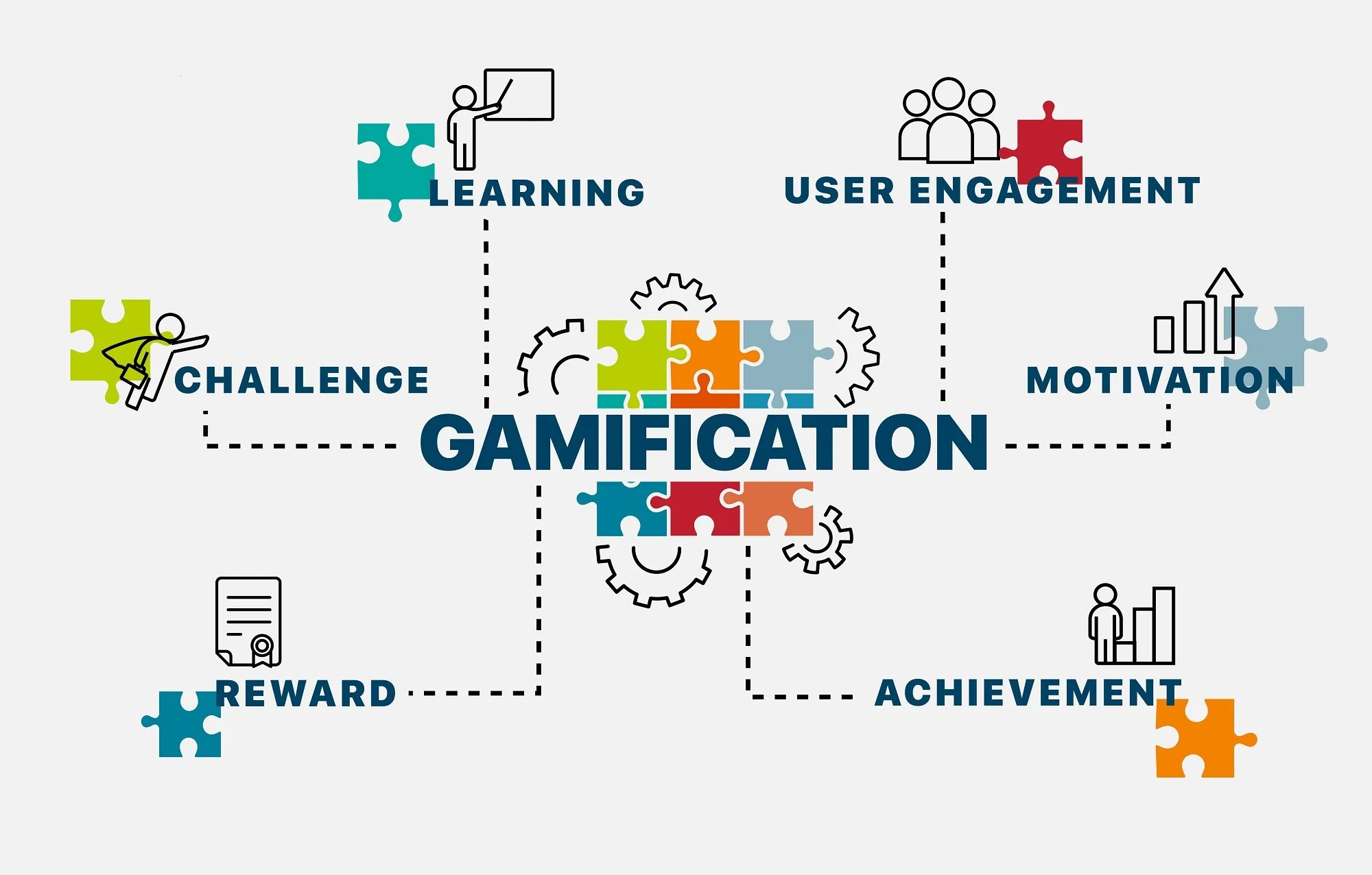
Gamification in Education: Boosting Engagement Through Game-Based Learning
In the digital age, traditional teaching methods often struggle to keep students motivated and engaged. To bridge this gap, educators are increasingly integrating gamification—the use of game elements in non-game environments—into the learning process. Gamification is revolutionizing classrooms by making learning fun, interactive, and rewarding.
This article explores how gamification works, its benefits, examples, and how it’s reshaping modern education.
What Is Gamification in Education?
Gamification incorporates elements typically found in games into learning environments. These elements include:
-
Points
-
Badges
-
Levels
-
Rewards
-
Leaderboards
-
Quests
-
Challenges
-
Progress bars
When implemented well, gamification transforms passive learning into a dynamic, immersive experience that motivates students to participate actively.
Why Gamification Works
Gamification engages the brain’s reward system. When students earn points or complete challenges, their brain releases dopamine—a chemical linked to motivation and pleasure. This builds positive reinforcement, increasing their desire to continue learning.
Key Benefits of Gamification in Education
✔ Increased Student Engagement
Students pay more attention and participate actively because the learning process feels enjoyable and interactive.
✔ Improved Knowledge Retention
Gamified activities help students remember concepts longer through hands-on, experiential learning.
✔ Motivates Consistent Learning
Rewards and progress tracking encourage students to keep learning, even outside the classroom.
✔ Builds Healthy Competition
Leaderboards and challenges inspire friendly competition that boosts effort and performance.
✔ Enhances Problem-Solving Skills
Gamified challenges require critical thinking, creativity, and decision-making.
✔ Supports Personalized Learning
Students learn at their own pace while progressing through levels based on performance.
Popular Gamification Techniques Used in Modern EdTech
1. Points & Rewards Systems
Every activity earns points. These points may unlock:
-
New levels
-
Certificates
-
Digital rewards
-
Bonus content
This system motivates students to complete lessons consistently.
2. Badges & Achievements
Badges celebrate accomplishments like:
-
Completing modules
-
Scoring high marks
-
Consistent participation
-
Showing improvement
Badges build a sense of achievement and pride.
3. Leaderboards
Leaderboards display top performers, encouraging students to improve their rankings.
Educators can use:
-
Class-based leaderboards
-
Team leaderboards
-
Weekly challenges
This stimulates healthy competition and teamwork.
4. Story-Based Quests
Lessons are turned into missions or adventures.
Example:
A history chapter becomes a quest where students “travel” through time, unlocking historical events as they progress.
5. Interactive Simulations
Students learn by doing—for example:
-
Running virtual businesses
-
Conducting science experiments
-
Coding robots
-
Managing digital ecosystems
Simulations build real-world skills in a safe environment.
6. Progress Tracking
Progress bars and dashboards let students see:
-
How far they’ve come
-
What’s left to learn
-
Level completion status
This visual feedback keeps students motivated.
Examples of Gamification in EdTech
• Kahoot!
Uses quizzes, points, and leaderboards to make learning interactive and competitive.
• Duolingo
Gamifies language learning with streaks, gems, badges, and daily goals.
• Classcraft
Turns the classroom into a role-playing adventure game where students earn points for positive behavior and learning milestones.
• Minecraft Education Edition
Allows students to explore virtual worlds while learning math, history, science, and coding.
Gamification for Teachers: Practical Classroom Ideas
Educators can start gamifying their classrooms with simple strategies:
-
Offer badges for homework completion
-
Create levels for skill mastery
-
Add timed challenges to lessons
-
Use points to reward participation
-
Turn group projects into “team quests”
-
Introduce class leaderboards for weekly performance
Even small gamified elements significantly increase student enthusiasm.
Challenges of Gamification
While powerful, gamification has limitations:
-
Over-competition can stress some students
-
Requires thoughtful planning
-
Technology access varies
-
Rewards may overshadow learning goals if misused
To overcome these, teachers must design gamification systems with balance and inclusivity.
The Future of Gamification in Education
Gamification is evolving rapidly with:
-
AI-generated challenges
-
AR/VR game-based learning
-
Personalized reward systems
-
Immersive “learning metaverses”
-
Emotion-aware adaptive feedback
Future classrooms will blend entertainment with education seamlessly—turning learning into a continuous adventure.
Conclusion
Gamification is transforming education by making learning exciting, collaborative, and motivating. By integrating game mechanics into lessons, educators can improve engagement, retention, and student performance. As EdTech evolves, gamification will continue to be one of the most effective strategies to inspire a new generation of learners.