

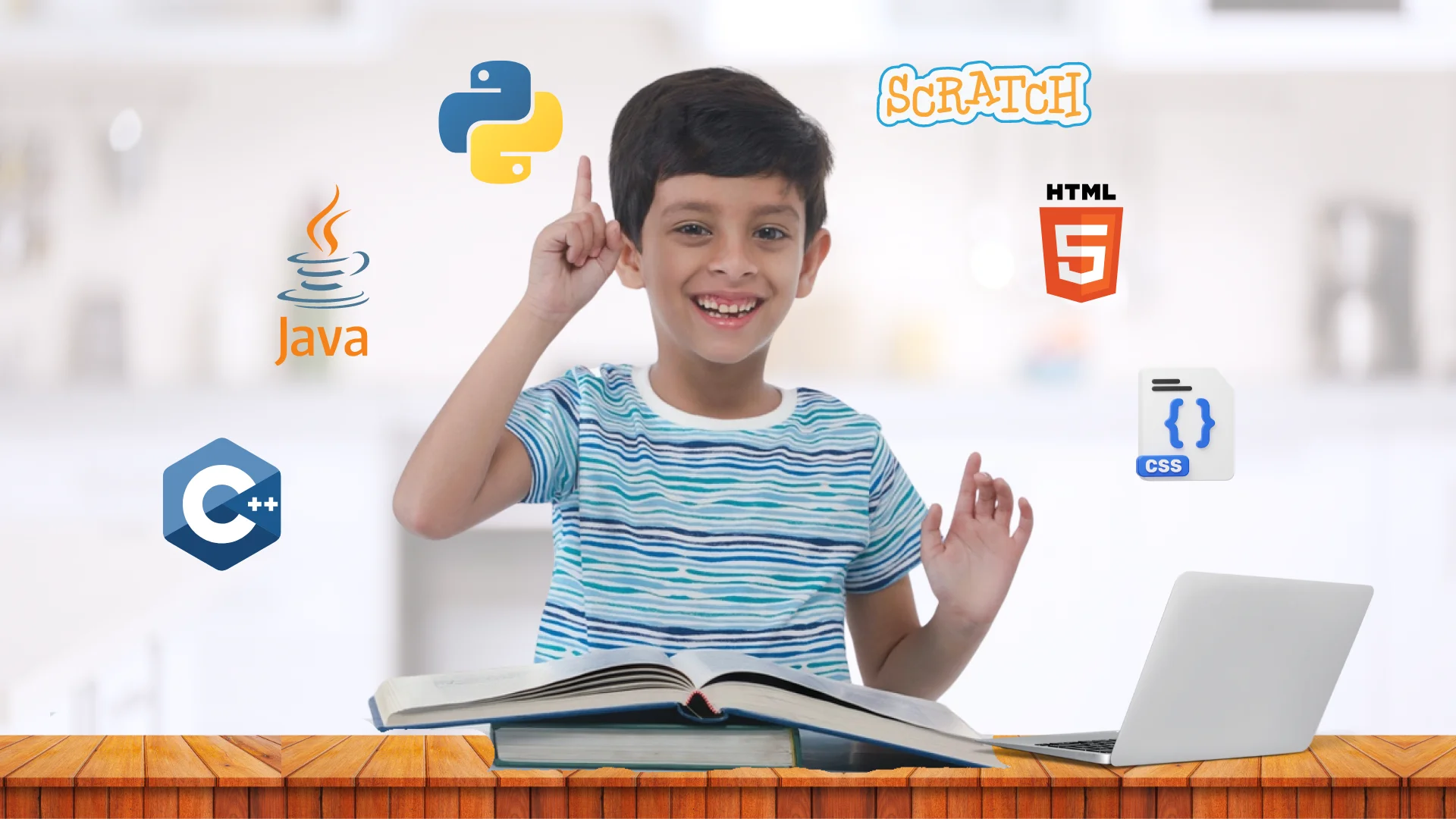
Coding for Kids: Preparing Young Minds for a Technology-Driven Future
The digital transformation sweeping across every industry makes coding literacy as fundamental as reading and mathematics for the next generation. Children who learn programming early develop not just technical skills but critical thinking, logical reasoning, and problem-solving abilities that benefit them across all academic subjects and future careers. The challenge for parents and educators lies in making coding accessible and engaging for young learners without overwhelming them with complexity.
Starting Young Makes Sense
Critics argue that children should focus on traditional subjects before tackling programming, but this perspective misunderstands how children learn. Young minds absorb new concepts with remarkable ease, and programming taught through play feels less like work and more like puzzle-solving. The earlier children encounter computational thinking, the more naturally they integrate these skills into their cognitive toolkit.
Interactive coding courses designed for kids introduce programming concepts through visual interfaces and immediate feedback. Children see their code come to life instantly, creating animations, games, or interactive stories that make abstract concepts concrete and rewarding. This immediate gratification sustains interest through the inevitable frustration that comes with debugging and problem-solving.
The Right Tools Matter
Not all coding platforms suit young learners equally. The best tools balance simplicity with genuine programming concepts, avoiding oversimplification that fails to teach transferable skills while preventing overwhelming complexity that discourages continued learning. Visual programming languages using blocks that snap together like puzzle pieces provide intuitive introductions before transitioning to text-based coding.
Comprehensive programming tools designed specifically for children offer scaffolded learning experiences that grow with student capabilities. These platforms track progress, celebrate achievements, and adapt difficulty levels ensuring children remain challenged without becoming frustrated—finding that sweet spot where learning happens most effectively.
Beyond Screen Time Concerns
Parents rightfully worry about excessive screen exposure, but not all screen time equals passive consumption. Programming involves active creation, problem-solving, and logical thinking that engages minds far differently than watching videos or playing conventional games. The key lies in balancing coding activities with physical play, social interaction, and offline learning experiences that support holistic child development.
Setting clear boundaries around coding time, ensuring proper posture and regular breaks, and emphasizing that programming serves as tool for creation rather than entertainment helps children develop healthy relationships with technology. When children understand they’re learning valuable skills rather than just playing games, their approach to screen time naturally shifts toward more purposeful engagement.
Real-World Applications
Coding education becomes most meaningful when children connect programming skills to real-world applications they care about. Building a game about their favorite story character, creating an animation for a school project, or programming a simple calculator they actually use demonstrates programming’s practical value beyond abstract exercises.
Encouraging children to identify problems in their daily lives and brainstorm programming solutions develops the creative problem-solving mindset that defines successful programmers. Even when technical skills aren’t yet sufficient to implement their ideas, the practice of thinking computationally about everyday challenges builds foundations for future learning.
Supporting Without Controlling
Parents and teachers should facilitate learning without micromanaging every coding session. Children need space to experiment, make mistakes, and discover solutions independently. Hovering over every line of code or rushing to fix errors prevents development of persistence and debugging skills essential for programming success.
Asking questions rather than providing answers when children encounter problems encourages deeper thinking. “What have you tried?” and “What do you think might work?” promote problem-solving development better than immediately showing the solution. This approach builds confidence and resourcefulness that extend beyond programming into all areas of learning.
Building Community
Learning to code shouldn’t be solitary. Online communities, coding clubs, and collaborative projects help children share knowledge, celebrate achievements, and persist through challenges together. Seeing peers succeed with coding inspires continued effort, while helping others reinforces understanding and builds communication skills.
Parents participating in their children’s coding journey—even without technical expertise—demonstrates that learning is lifelong and that asking questions and trying new things matters more than already knowing everything.
Investment in Tomorrow
Teaching children to code isn’t about creating a generation of software engineers—it’s about preparing adaptable thinkers who can navigate an increasingly technological world. The specific languages and tools children learn today will evolve, but the computational thinking and problem-solving approaches remain relevant regardless of how technology changes.
Starting early gives children advantages that compound over time, opening opportunities in virtually every field as technology integration deepens across industries.