

Why Adaptive Assessments Are Replacing Traditional Exams
Assessment is at the core of academic success, yet traditional exams often fall short in measuring true student understanding. They rely on standardized questions, rigid formats, and fixed difficulty levels that do not reflect individual learning differences. As digital transformation accelerates, adaptive assessments are emerging as a more accurate and effective alternative.
This article explores why adaptive assessments are becoming the future of student evaluation and how they benefit learners, teachers, and institutions.
1. What Are Adaptive Assessments?
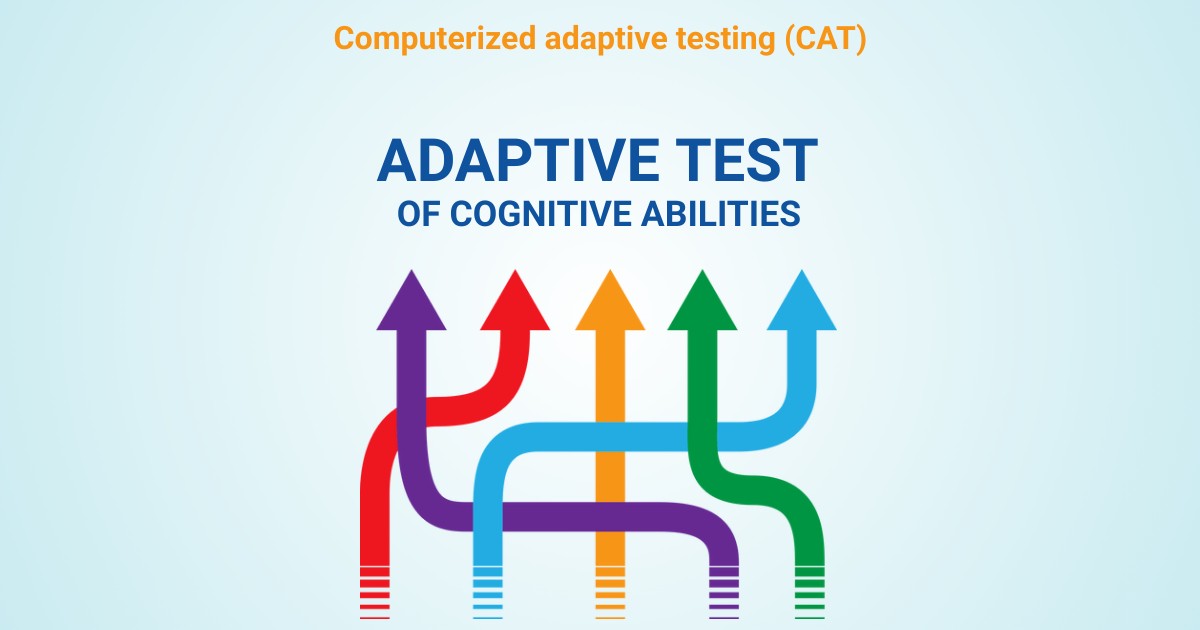
Adaptive assessments use technology and data analytics to adjust the difficulty, content, and sequence of questions in real time based on student responses. If a student answers correctly, the next question becomes slightly harder. If they struggle, the system presents easier or supportive questions.
This creates a personalized testing experience that reflects each learner’s true ability level.
2. Limitations of Traditional Exams
Traditional exams face several well-known limitations:
-
One-size-fits-all question format
-
Fixed difficulty level for all students
-
High-pressure, time-bound environments
-
Limited ability to reflect deeper understanding
-
Manual grading processes
-
Delayed feedback
These constraints often lead to inaccurate measurement of a student’s skills and potential.
3. Benefits of Adaptive Assessments
a. Personalized Testing Experience
Adaptive assessments tailor the difficulty and sequence of questions based on student performance. This ensures that each student is challenged appropriately, making evaluations more accurate and fair.
b. Better Measurement of Learning
Instead of relying on static questions, adaptive systems capture detailed insights into:
-
Concept mastery
-
Learning gaps
-
Critical thinking ability
-
Speed and accuracy
This gives educators a richer understanding of student capabilities.
c. Reduced Test Anxiety
Students are not overwhelmed by questions that are too difficult or discouraged by questions that are too easy. The system adapts naturally, creating a more comfortable testing environment.
d. Instant Results and Feedback
Most adaptive testing platforms provide immediate feedback, helping students understand their strengths and weaknesses right away.
e. Efficient Use of Time
Adaptive exams are often shorter than traditional ones because they quickly identify a student’s ability level without unnecessary questions.
4. How Adaptive Assessments Work
Adaptive testing operates through advanced algorithms that follow these steps:
a. Baseline Question
The system begins with a moderate question to gauge the learner’s starting level.
b. Dynamic Question Selection
Based on the student’s response, the system increases or decreases difficulty and chooses the next question accordingly.
c. Real-Time Performance Tracking
As the student progresses, the platform continuously analyzes accuracy, speed, and comprehension.
d. Final Score Calculation
Scores are calculated using complex models that evaluate overall performance across difficulty levels.
5. Applications of Adaptive Assessments in Modern Education
a. K–12 and Higher Education
Schools and universities use adaptive tools for quizzes, semester exams, and placement assessments.
b. Skill-Based and Professional Learning
Platforms for coding, language learning, and certification courses rely heavily on adaptive testing models.
c. Corporate Training
Companies use adaptive assessments to evaluate employee skills and identify training needs.
6. Challenges in Implementing Adaptive Assessments
a. Technical Complexity
Institutions must use advanced LMS platforms and stable internet connectivity.
b. Algorithm Bias
If not designed properly, algorithms may inaccurately judge student ability, making quality control essential.
c. Cost and Implementation
Developing or purchasing adaptive systems may require investment and training.
7. The Future of Assessment
Adaptive assessments represent the future of academic evaluation. As AI, machine learning, and analytics continue to advance, assessments will evolve into fully personalized, intelligent systems capable of:
-
Predicting future performance
-
Identifying emotional or engagement patterns
-
Offering customized learning paths
-
Creating real-time remediation
Traditional exams will eventually become supplementary, while adaptive assessments take center stage in modern education.
8. Conclusion
Adaptive assessments provide a smarter, more accurate, and personalized approach to evaluating student performance. By addressing the shortcomings of traditional exams and offering real-time insights, they create a better learning experience for both students and educators. As education continues to embrace technology, adaptive testing will play a critical role in shaping future classrooms.