

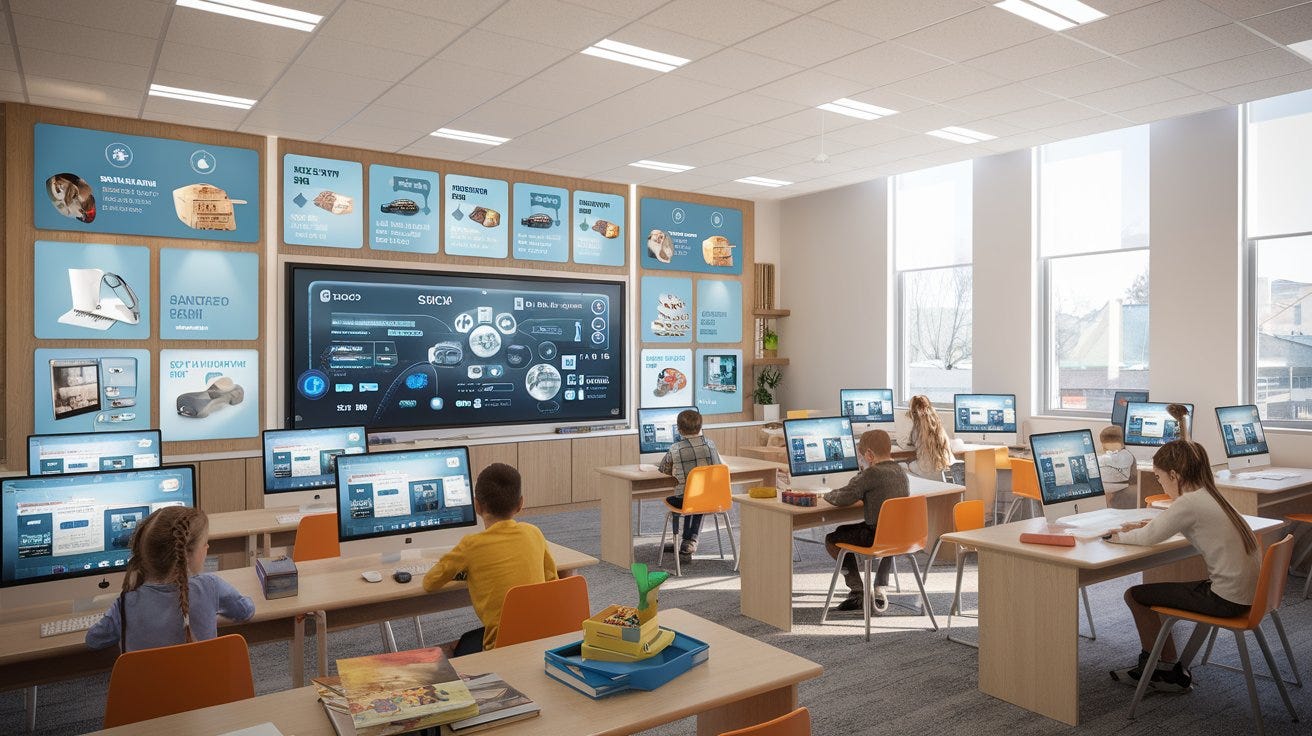
The Digital Revolution: How EdTech is Shaping Tomorrow’s Learners
Technology has fundamentally changed how we approach education. From elementary classrooms to professional training programs, digital tools are reshaping the learning experience, making it more personalized, engaging, and effective than ever before. The integration of technology in education isn’t just about convenience—it’s about creating better outcomes for learners of all ages.
Personalized Learning at Scale
One of the most significant advantages of educational technology is its ability to personalize learning experiences. Traditional classrooms struggle to accommodate different learning paces and styles when one teacher manages dozens of students. Digital platforms, however, can adapt to each learner’s needs, providing additional support where needed and allowing faster progression through mastered material.
This personalization extends across all age groups. Young students benefit from adaptive learning systems that adjust difficulty based on performance, while professionals can choose specialized courses that directly align with their career goals. The result is more efficient learning that respects individual differences and maximizes outcomes.
Early Childhood Development Through Technology
Parents today have access to sophisticated kids learning tools that transform education into an adventure. These platforms understand child psychology, incorporating colorful visuals, reward systems, and interactive challenges that keep young minds engaged while building fundamental skills.
The best educational technology for children balances screen time with developmental benefits. Quality platforms focus on critical thinking, problem-solving, and creativity rather than passive consumption. Interactive stories, math games, and science experiments presented through engaging digital interfaces help children develop a love for learning that extends beyond the screen.
Moreover, structured learning paths ensure children progress systematically through age-appropriate content. These carefully designed curricula build upon previous knowledge, creating a solid foundation for future academic success. Parents can track progress, identify areas needing attention, and celebrate achievements alongside their children.
Building Technical Skills for the Future
As automation and artificial intelligence reshape the job market, technical skills have become essential for career success. Understanding how to work with technology, analyze data, and solve complex problems distinguishes candidates in competitive fields. Educational technology has made acquiring these skills more accessible than ever.
Programming education exemplifies this shift. Web development courses teach not just coding syntax, but logical thinking and systematic problem-solving. Students learn to break down complex challenges into manageable components, a skill valuable far beyond software development.
The hands-on nature of modern tech education ensures learners build practical skills. Instead of memorizing theory, students create real projects—functional websites, mobile applications, or data analysis tools. This project-based approach produces portfolios that demonstrate actual capability to employers, making the transition from learning to earning more seamless.
Flexible Learning for Busy Lives
Modern life demands flexibility. Between work commitments, family responsibilities, and personal obligations, finding time for traditional education can be challenging. Educational technology solves this problem by bringing learning to wherever students are, whenever they have time.
This flexibility particularly benefits working professionals seeking to upskill or change careers. A parent can study after children sleep, a commuter can learn during transit, and a shift worker can access courses during off-hours. The asynchronous nature of online education means missing a class doesn’t mean falling behind—learners control their own schedules.
Interactive Learning Environments
Static textbooks and lecture-based instruction are giving way to interactive, multimedia-rich learning experiences. Videos, simulations, virtual labs, and gamified exercises engage multiple senses, improving retention and understanding. When learners actively participate rather than passively consume, knowledge sticks.
Discussion forums and collaborative projects add social elements to online learning, combating the isolation sometimes associated with digital education. Peer interaction, group assignments, and community support create connections that enhance motivation and provide diverse perspectives on complex topics.
Continuous Skill Development
The rapid pace of change in most industries means yesterday’s expertise can quickly become outdated. Educational technology enables continuous learning, allowing professionals to stay current without career interruptions. Micro-courses, certification programs, and skill-specific training provide targeted knowledge exactly when needed.
This just-in-time learning approach means professionals can address skill gaps as they appear rather than waiting for traditional semester-based programs. Whether mastering new software, understanding emerging regulations, or learning management techniques, relevant education is always available.
Preparing for Tomorrow
As we look ahead, educational technology will continue evolving. Artificial intelligence will further personalize learning experiences, virtual reality will create immersive educational environments, and adaptive systems will become even better at identifying and addressing individual needs.
The students who thrive in this future will be those who embrace technology as a learning tool, develop strong self-directed learning skills, and maintain curiosity throughout their lives. Educational technology isn’t replacing traditional education—it’s expanding possibilities and making quality learning accessible to everyone, everywhere.
The digital revolution in education has only begun, and its potential to transform lives and careers is limitless.