

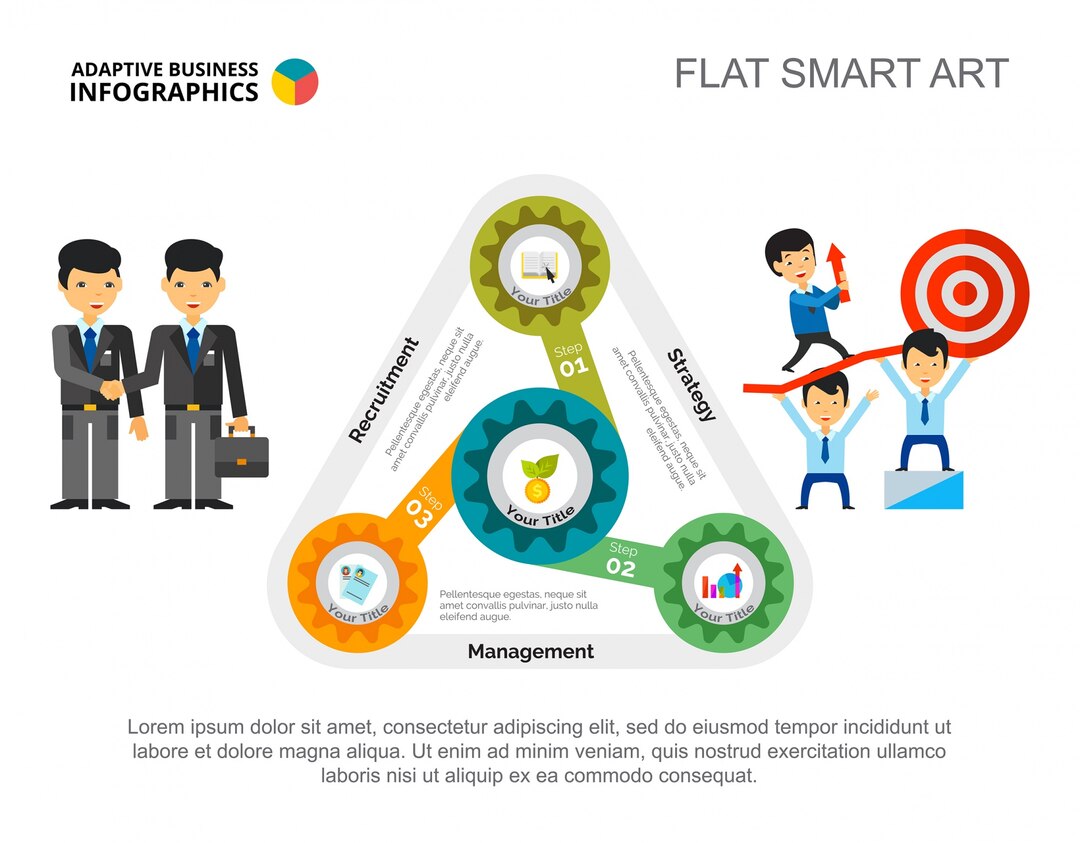
Learning ROI Flywheel Is Transforming Modern Career Growth
Learning ROI flywheel is redefining how individuals approach education and career development in 2026. For years, learning was treated as a linear process: acquire knowledge, earn a certificate, and expect career advancement. However, this model often fails to deliver measurable outcomes because it stops at acquisition rather than focusing on application and impact.
The ROI flywheel introduces a cyclical model where skills are continuously transformed into tangible results. Instead of viewing as an isolated activity, this approach connects it directly to execution, visibility, and opportunity. The result is a self-reinforcing system that accelerates career growth over time.
What Is the Learning ROI Flywheel?
The ROI flywheel is a framework that converts skill acquisition into measurable career outcomes through continuous cycles of , application, and validation. Unlike traditional models, which focus on completion, this approach emphasizes impact.
The flywheel consists of several interconnected stages: learning new skills, applying them in real-world scenarios, showcasing results, gaining validation, and unlocking new opportunities. Each stage feeds into the next, creating momentum that compounds over time.
As the flywheel spins faster, the return on learning investment increases, leading to accelerated professional growth.
Why Traditional Learning Fails to Deliver ROI
One of the biggest challenges in modern education is the lack of clear return on investment. Many learners invest time and money in courses but struggle to translate that investment into tangible career outcomes.
This gap exists because traditional models focus heavily on content consumption rather than execution. Certificates become the end goal, rather than a byproduct of skill development.
The learning ROI flywheel addresses this issue by ensuring that every stage of contributes to measurable progress. It shifts the focus from completion to conversion—turning knowledge into results.
Stage 1: Skill Acquisition with Intent
The first stage of the learning ROI flywheel is intentional skill acquisition. Instead of randomly selecting courses, learners focus on skills that align with their career goals and market demand.
This requires clarity and strategic thinking. Learners must identify which skills will create the highest impact and prioritize them accordingly. By doing so, they ensure that their efforts are aligned with long-term objectives.
Intentional learning lays the foundation for the entire flywheel.
Stage 2: Application and Execution
Acquiring knowledge is only the beginning. The second stage of the learning ROI flywheel focuses on applying skills in real-world contexts. This is where true learning occurs.
Application can take many forms, including projects, internships, freelance work, or simulations. The key is to move from theory to practice as quickly as possible.
Execution not only reinforces understanding but also builds confidence. It transforms abstract concepts into tangible capabilities.
Stage 3: Showcasing Results
Once skills are applied, the next step in the ROI flywheel is showcasing results. Visibility is critical in today’s competitive environment. Without it, even strong capabilities may go unnoticed.
Learners can showcase their work through portfolios, case studies, social media, or professional platforms. By presenting their achievements clearly, they demonstrate value to potential employers and collaborators.
Showcasing turns private effort into public proof.
Stage 4: Validation and Credibility
Validation is the stage where external recognition reinforces internal progress. This can come in the form of feedback, testimonials, certifications, or measurable outcomes.
Validation adds credibility to a learner’s profile. It signals to others that the individual can deliver results, not just acquire knowledge.
In the learning ROI flywheel, validation strengthens the connection between effort and opportunity, making future growth more accessible.
Stage 5: Unlocking Opportunities
The final stage of the learning ROI flywheel involves leveraging validated skills to access new opportunities. These opportunities may include job offers, promotions, collaborations, or entrepreneurial ventures.
As opportunities increase, learners gain access to more complex challenges and higher-value work. This, in turn, creates new needs, restarting the flywheel at a higher level.
This continuous cycle drives exponential growth.
Compounding Effect of the Learning ROI Flywheel
One of the most powerful aspects of the ROI flywheel is its compounding nature. Each cycle builds upon the previous one, increasing momentum and impact.
As learners repeat the process, they become more efficient at acquiring and applying skills. Their ability to showcase and validate results improves, leading to better opportunities.
Over time, this creates a powerful growth trajectory that far exceeds linear models of learning.
The Role of Structured Platforms in Accelerating the Flywheel
Platforms like EdSpectra are designed to support the learning ROI flywheel by integrating learning, application, and validation into a cohesive system. Instead of offering disconnected courses, these platforms provide structured pathways that guide learners through each stage.
By combining education with real-world application and feedback, such platforms reduce friction and accelerate the flywheel’s गति. Learners can move seamlessly from acquiring skills to demonstrating their value.
This integrated approach enhances both efficiency and effectiveness.
Common Mistakes That Break the Flywheel
Despite its effectiveness, many learners fail to activate the ROI flywheel due to common mistakes. One of the most frequent issues is stopping at the stage without moving to application.
Another mistake is neglecting visibility. Without showcasing results, learners miss out on opportunities. Lack of feedback and validation can also weaken the cycle.
To maintain momentum, it is essential to engage fully in each stage of the flywheel.
Building Your Own Learning ROI Flywheel
Creating a personal learning ROI flywheel requires intentional design. Start by identifying high-impact skills and setting clear goals. Focus on immediate application through projects or practical work.
Document and showcase your progress consistently. Seek feedback from mentors, peers, or industry professionals. Use validation to unlock new opportunities and reinvest in further .
By repeating this cycle, you can build a self-sustaining system for career growth.
The Future of Learning and Career Acceleration
As the nature of work continues to evolve, the ability to convert into outcomes will become increasingly important. The ROI flywheel represents a shift toward more dynamic, outcome-driven education.
Organizations will value individuals who demonstrate continuous and measurable impact. Educational systems will adapt to support this model, emphasizing integration and application.
The future of career development lies in systems that connect with real-world results.
Final Thoughts
Learning is no longer just about acquiring knowledge; it is about generating impact. The ROI flywheel provides a framework for turning skills into measurable career growth.
By focusing on acquisition, application, visibility, validation, and opportunity, learners can create a continuous cycle of improvement and advancement. This approach transforms from a passive activity into a strategic advantage.
In 2026 and beyond, success will belong to those who can maximize the return on their investment. The ROI flywheel is the system that makes it possible.
Visit here for more blogs related to ed-tech and more about e-learning’s future.