

Introduction
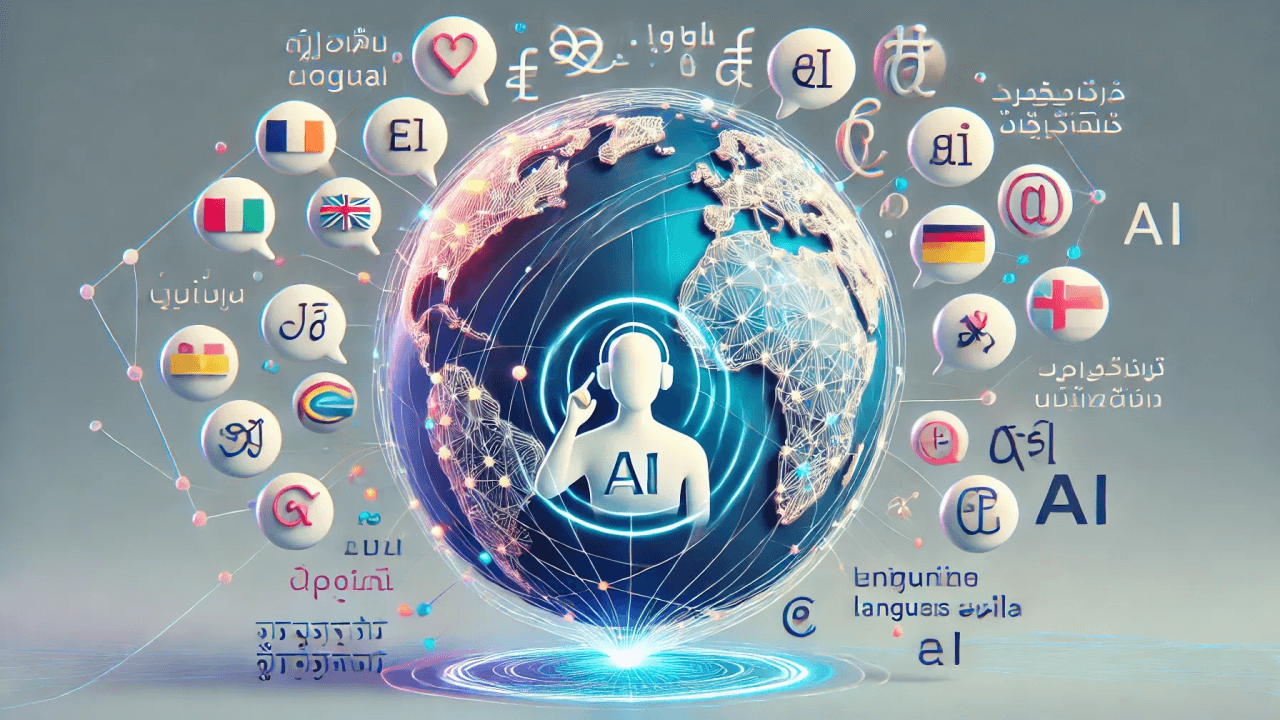
Language learning has evolved significantly in recent years. While traditional classroom instruction and popular apps have helped millions begin their language journey, artificial intelligence is now taking language education far beyond these methods.
In 2025, AI-powered platforms provide personalized, immersive, and skill-focused learning experiences that adapt to individual learners, making language acquisition more effective and accessible.
How AI Is Transforming Language Learning
Artificial intelligence enables language learning platforms to analyze pronunciation, grammar usage, and vocabulary retention in real time. Based on learner performance, AI systems adjust lessons to match pace and proficiency.
This adaptive approach helps learners overcome common challenges such as inconsistent practice, lack of feedback, and limited real-world usage.
Personalized Learning Paths for Faster Progress
Unlike traditional methods that follow fixed curricula, AI-driven learning paths evolve with the learner. Lessons focus on weak areas while reinforcing strengths, ensuring balanced language development.
Structured learning models inspired by programming education show how step-by-step progression improves mastery. Foundational logic-building courses such as C Basics for Beginners highlight how structured skill development can enhance learning efficiency across disciplines.
Interactive and Visual Learning for Better Retention
AI-powered language platforms use visual cues, interactive exercises, and real-time corrections to improve retention. This multisensory approach supports learners with different learning styles.
Hands-on, project-based learning models similar to Zero to Hero in Python GUI Development demonstrate how active participation strengthens understanding—a principle increasingly applied in modern language education.
Digital Platforms Supporting Multilingual Skills
Digital learning environments allow learners to practice reading, writing, listening, and speaking simultaneously. These platforms simulate real-world scenarios such as conversations, presentations, and professional communication.
Web-based learning structures inspired by Web Designing – HTML, CSS and Twitter Bootstrap emphasize how modular learning improves comprehension, a concept now widely used in AI language platforms.
Self-Publishing and Language Practice Through Online Tools
Learners increasingly use blogs, portfolios, and content platforms to practice language skills publicly. Writing articles, creating tutorials, or maintaining multilingual websites enhances fluency.
Tools and workflows taught in The Ultimate WordPress for Beginners – Step by Step Blueprint enable learners to build platforms where language practice meets real-world application.
AI, Speech Technology, and Real-World Simulation
Speech recognition and AI-driven conversation tools allow learners to practice pronunciation and dialogue without fear of judgment. These technologies simulate real interactions, accelerating confidence and fluency.
Emerging tech learning frameworks similar to ESP Bootcamp – A Step-by-Step Practical Approach highlight how hands-on experimentation improves learning outcomes—an approach now influencing advanced language tools.
The Future of Language Learning
AI-powered language education is moving beyond memorization toward communication, creativity, and cultural understanding. Learners gain continuous feedback, flexible pacing, and access to global learning communities.
Platforms like EasyShiksha support this evolution by offering structured digital learning experiences that align with future-ready education models.
Conclusion
Language learning in the age of AI goes far beyond traditional methods and popular apps. In 2025, intelligent platforms provide personalized, immersive, and practical learning experiences that help learners achieve real fluency.
As AI continues to advance, language education will become more adaptive, inclusive, and effective—empowering learners to communicate confidently in a connected world.