

Introduction
Technology education is no longer reserved for those with deep programming knowledge. In 2025, no-code and low-code platforms are transforming how people learn and apply technical skills, making software creation accessible to students, professionals, and non-technical learners alike.
By reducing complexity and emphasizing visual development, these platforms are democratizing tech education and enabling learners to build real solutions without extensive coding experience. Centralized learning ecosystems such as EasyShiksha’s online courses platform play a key role in making these opportunities widely accessible.
What Are No-Code and Low-Code Platforms?
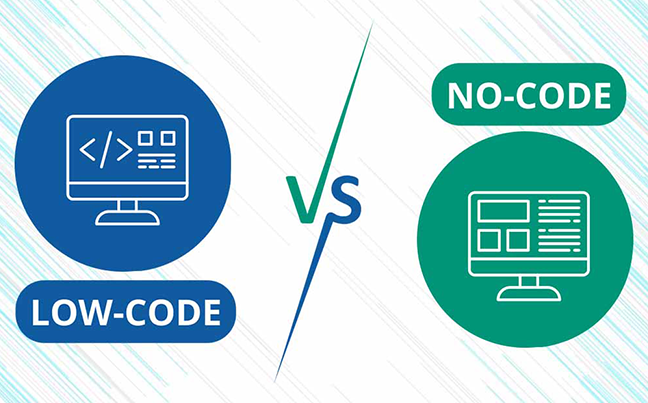
No-code platforms allow users to build applications using visual interfaces, drag-and-drop components, and prebuilt logic blocks. Low-code platforms combine visual tools with minimal coding, offering flexibility for more advanced customization.
Both approaches lower entry barriers and encourage experimentation, creativity, and faster learning outcomes for beginners and professionals alike.
Why Accessibility Matters in Tech Education
Traditional programming education often demands significant time and technical background. No-code and low-code learning models focus on outcomes, allowing learners to see tangible results quickly.
This accessibility helps beginners build confidence while preparing them to understand deeper technical concepts when required.
Building Logical Foundations Before No-Code Mastery
Even with simplified development tools, understanding logic and structure remains essential. Foundational programming knowledge improves problem-solving skills and enhances how learners use no-code platforms effectively.
Courses such as C Basics for Beginners help learners develop structured thinking that naturally complements visual and no-code development environments.
Low-Code as a Bridge to Real Programming Skills
Low-code platforms often serve as a transition between visual development and traditional programming. Learners can start with workflows and interfaces, then gradually introduce code-based logic as their confidence grows.
Practical learning paths like Zero to Hero in Python GUI Development demonstrate how visual components and programming concepts work together to create fully functional applications.
Empowering Innovation Through Inclusive Learning
By removing heavy technical barriers, no-code and low-code education empowers innovation across industries. Learners can focus on solving real-world problems instead of struggling with syntax.
When combined with structured learning platforms and foundational courses, these tools create inclusive pathways that support creativity, experimentation, and long-term skill development.
The Future of Tech Education
No-code and low-code platforms are not replacing traditional programming; instead, they are expanding access to it. Learners can choose flexible pathways that align with their goals—from rapid prototyping to advanced software development.
As technology continues to evolve, democratized learning models will remain central to building future-ready digital skills.
Conclusion
No-code and low-code platforms are democratizing tech education by making software development more accessible, practical, and inclusive in 2025. These tools empower learners to build, test, and innovate regardless of technical background.
By blending visual development with strong foundational learning, no-code education is opening new doors to technology-driven opportunities for everyone.