

Introduction
Education technology is transforming how learners with diverse cognitive needs engage with education. In 2025, EdTech platforms are playing a critical role in supporting neurodivergent learners, including individuals with ADHD, dyslexia, and autism.
By offering personalized pacing, multisensory content, and structured learning paths, technology-driven education helps learners build confidence, improve focus, and develop practical skills in an inclusive environment.
Understanding Neurodivergent Learning Needs
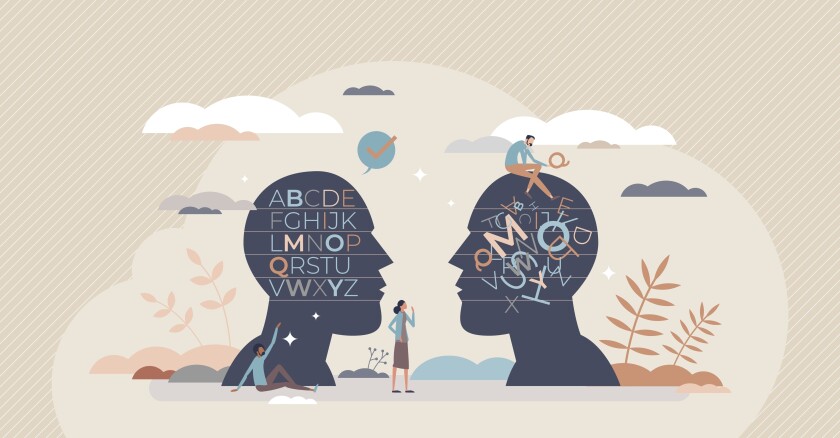
Neurodivergent learners process information differently, which means traditional classroom methods may not always be effective. ADHD learners often benefit from interactive and structured content, while dyslexic learners need visual and auditory reinforcement. Autistic learners may thrive in predictable, distraction-free digital environments.
EdTech tools address these needs by adapting lessons to individual learning styles rather than forcing learners to adapt to rigid systems.
Personalized Learning Through AI-Powered Platforms
Artificial intelligence enables learning platforms to adjust content based on attention span, comprehension levels, and progress tracking. This personalized approach reduces cognitive overload and improves engagement for neurodivergent learners.
Clear progression paths and bite-sized lessons help learners stay focused while gradually mastering new concepts.
Building Logical Thinking With Beginner-Friendly Programming
Learning programming can be highly beneficial for neurodivergent learners, as it encourages logical structure and problem-solving. Beginner-focused courses provide step-by-step guidance without overwhelming complexity.
Programs like C Basics for Beginners introduce core programming concepts in a structured way, helping learners develop confidence and analytical skills.
Visual and Interactive Coding for Better Engagement
Interactive and visual learning tools are particularly effective for learners with ADHD and dyslexia. Seeing immediate results from code execution reinforces understanding and motivation.
Hands-on courses such as Zero to Hero in Python GUI Development allow learners to build visual applications, making abstract concepts easier to grasp.
Web and Digital Skills in an Inclusive Learning Environment
Web development offers a creative outlet for neurodivergent learners by combining logic with visual design. Structured lessons with clear outcomes help learners maintain focus and track progress.
Starting with Web Designing – HTML, CSS and Twitter Bootstrap provides an accessible introduction to web fundamentals. Learners can later manage and publish content independently using The Ultimate WordPress for Beginners – Step by Step Blueprint.
Hands-On Learning for Sensory-Friendly Skill Development
For learners who benefit from experiential learning, practical technology courses offer meaningful engagement. Simulations and guided projects reduce anxiety while reinforcing real-world applications.
Courses like ESP Bootcamp – A Step-by-Step Practical Approach help learners understand how technology interacts with the physical world, supporting structured and predictable learning experiences.
Creating Inclusive Learning Opportunities for Everyone
EdTech platforms remove many barriers associated with traditional education. Learners can control their pace, revisit lessons, and choose environments that suit their comfort and focus needs.
By combining accessibility features with skill-focused courses, platforms like EasyShiksha help ensure that neurodivergent learners have equal opportunities to succeed in technology-driven careers.
Conclusion
EdTech for neurodivergent learners is redefining inclusive education in 2025. Through personalized learning, visual engagement, and structured skill development, technology empowers learners with ADHD, dyslexia, and autism to thrive.
As digital education continues to evolve, inclusive EdTech solutions will play a vital role in creating equitable learning experiences for all learners.