

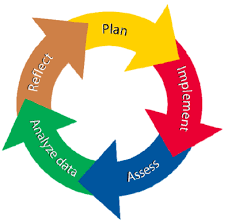
In today’s education system, data plays a bigger role than ever before. Schools, teachers, and institutions are now using analytics to understand student progress, identify learning gaps, and create more personalized learning experiences. This modern approach—known as data-driven teaching—is helping teachers make better decisions and improve learning outcomes significantly.
With the rise of digital learning tools, every quiz, assignment, and activity creates valuable data. When used correctly, this data becomes a powerful resource for transforming the way teachers teach and students learn.
1. What Is Data-Driven Teaching?
Data-driven teaching refers to the use of student data—such as assessments, attendance, class participation, and performance trends—to guide instructional decisions.
Instead of teaching based on assumptions, teachers now rely on real evidence about how students are learning.
This approach helps teachers deliver targeted instruction, reduce learning gaps, and support students more effectively.
2. Why Analytics Matters in Education
Analytics provides insights that help teachers understand:
-
Which students are struggling
-
Which topics need more focus
-
How students perform over time
-
What learning strategies work best
-
Which teaching methods are most effective
By analyzing these patterns, teachers can take action quickly and improve classroom performance.
3. Personalized Learning Becomes Easier
One of the biggest benefits of data-driven teaching is personalized learning.
Analytics tools help teachers tailor lessons according to:
-
Student strengths
-
Learning speed
-
Areas of difficulty
-
Preferred learning style
For example:
If a student struggles with math problems involving fractions, the system highlights this, allowing the teacher to provide additional support or resources.
4. Real-Time Insights for Better Decisions
Modern EdTech tools provide real-time dashboards that show student progress instantly.
Teachers no longer have to wait for monthly tests to identify issues.
Real-time insights help teachers:
-
Adjust the pace of lessons
-
Identify disengaged students
-
Modify teaching strategies on the spot
-
Provide instant feedback
This boosts student motivation and improves overall learning efficiency.
5. Improved Assessments and Feedback
Data-driven tools make assessments smarter and more meaningful.
Teachers can use analytics to:
-
Track progress on specific skills
-
Compare individual vs. class performance
-
Identify common errors
-
Provide personalized feedback
Tools like Google Classroom, Kahoot Reports, Nearpod Insights, and Learning Management Systems (LMS) offer analytics that simplify grading and feedback.
6. Predictive Analytics for Early Intervention
Predictive analytics uses past performance to predict future outcomes.
This helps teachers spot early warning signs such as:
-
Low participation
-
Continuous poor results
-
Decreasing interest
-
Attendance issues
By identifying these patterns, teachers can intervene early with:
-
Additional tutoring
-
Extra resources
-
Parent communication
-
Modified teaching strategies
Early action prevents small issues from becoming major problems.
7. Better Classroom Planning and Teaching Strategies
When teachers have access to accurate data, planning becomes easier and more effective.
Analytics helps teachers decide:
-
Which topics require more time
-
Which activities engage students the most
-
How to divide students into groups
-
When to revise or repeat lessons
This leads to smarter lesson planning and better classroom outcomes.
8. Encourages Accountability and Transparency
Data creates a transparent environment where:
-
Teachers can track their own teaching effectiveness
-
Students understand their learning patterns
-
Parents stay informed about their child’s progress
-
Schools make informed decisions
This transparency strengthens trust and improves overall academic performance.
9. Tools That Support Data-Driven Teaching
Popular tools that provide classroom analytics include:
-
Google Classroom Analytics
-
Microsoft Education Insights
-
Khan Academy Teacher Dashboard
-
Canvas LMS
-
Moodle Analytics
-
Edpuzzle Analytics
-
Schoology Reports
These tools track assessments, behavior, attendance, and learning progress automatically.
10. The Future of Data-Driven Teaching
As technology continues to advance, data-driven teaching will become even more powerful.
Future classrooms will use:
-
AI-driven personalized lessons
-
Predictive learning models
-
Automated performance tracking
-
Smart learning assistants
This will help teachers focus on what matters most—creating meaningful learning experiences.
Conclusion
Data-driven teaching is transforming education. By using analytics, teachers can make informed decisions, personalize learning, and improve student outcomes with accuracy and efficiency. In 2025 and beyond, data will continue to play a crucial role in shaping the future of learning and ensuring every student reaches their full potential.