

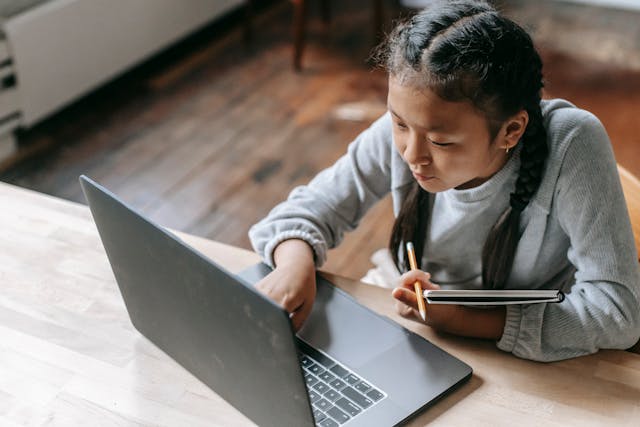
India is home to one of the largest youth populations in the world — a demographic dividend that promises immense potential for economic growth and innovation. Yet, when it comes to girls’ education and career planning, progress has been uneven and deeply shaped by socio-cultural realities.
Despite significant strides in access to schooling, many Indian girls still face barriers that prevent them from fulfilling their true career potential — such as traditional gender roles, limited mentorship, family expectations, safety concerns, inadequate counseling, and a lack of awareness about diverse career options.
However, the rapid rise of Educational Technology (EdTech) is transforming this landscape. Digital platforms like EasyShiksha are beginning to bridge gaps that once seemed insurmountable. By offering accessible information, personalized guidance, skill-based learning, and supportive communities, EdTech is playing a powerful role in empowering girls across India to plan, pursue, and achieve meaningful careers.
This article explores how EdTech is breaking barriers for girls’ career planning in India — from grassroots solutions and inspirational case studies to practical strategies and future possibilities. The goal is to paint a holistic, actionable picture of how digital education tools can support a generation of girls to dream bigger and go farther.
The Historical and Social Context: Why Girls’ Career Planning Matters
Cultural Expectations and Gender Roles
In many parts of India, girls continue to bear the weight of traditional gender expectations. Societal norms often prioritize marriage and household responsibilities over higher education and professional aspirations. Even when educated, girls may be discouraged from choosing careers that demand relocation, irregular hours, or extended training.
Educational Inequity
Though enrollment rates for girls in primary education have improved, the dropout rate increases sharply in secondary and higher education, particularly in rural regions. This drop happens at a crucial time when career planning becomes essential.
Economic Barriers
Many families with limited financial resources prioritize boys’ education, assuming boys will be the primary wage earners. Girls’ education is sometimes seen as a cost rather than an investment — a mindset that continues to restrict opportunities.
Limited Awareness of Career Paths
Traditional career options — such as medicine, engineering, and teaching — are commonly highlighted, while many emerging fields like data science, digital marketing, entrepreneurship, design, and remote tech work remain unknown or misunderstood.
All these factors underscore the urgent need for supportive systems that can provide girls with equitable, accessible, and informed career planning.
The EdTech Revolution in India: A Primer
What Is EdTech?
Educational Technology, or EdTech, refers to digital tools and platforms designed to support teaching, learning, career guidance, and skill development. Examples include online courses, career counseling apps, interactive learning platforms, mobile education tools, and mentoring networks.
Why EdTech Matters in India
EdTech has seen explosive growth in India due to:
-
Increased smartphone and internet penetration
-
Affordable data plans
-
Government initiatives promoting digital education
-
COVID-19’s acceleration of remote learning adoption
EdTech democratizes information, enabling students from diverse geographies and backgrounds to access quality resources that were once limited to urban or privileged spaces.
Importantly, EdTech makes career planning more personalized and scalable — something that traditional classroom systems and counseling centers struggle to deliver at scale.
How EdTech Breaks Barriers for Girls’ Career Planning
1. Accessibility Beyond Geography
One of the biggest advantages of EdTech is its ability to reach girls in remote or underserved areas. For many families in rural India, traveling to a large town or city for career counseling or college fairs is both costly and impractical. EdTech solves this by bringing guidance directly to students’ devices.
Whether a girl is in a Tier-2 city, a small town, or a tribal region, she can access:
-
Career exploration tools
-
College and course recommendations
-
Exam preparation materials
This level of accessibility is unprecedented in India’s education ecosystem.
2. Personalized Career Guidance
Traditional career counseling often follows a one-size-fits-all model. In contrast, many EdTech platforms use data, interactive assessments, and AI algorithms to suggest career options based on:
-
Interests
-
Skills
-
Academic strengths
-
Job market trends
Girls can explore fields they might never have known about — from UX design to environmental science, from animation to cybersecurity — tailored to their preferences and strengths.
3. Safe and Supportive Learning Environments
Cultural barriers sometimes make families cautious about exposing girls to outside counseling or networking groups. EdTech platforms can provide safe, moderated, and supportive environments where girls can explore and learn without facing judgment.
Female mentors, peer groups, and moderated forums help build confidence, reduce hesitation, and normalize ambitious career planning.
4. Financial Accessibility
Many EdTech resources are free or significantly cheaper than traditional coaching centers. For girls from economically constrained families, this affordability can determine whether they pursue additional education or career support.
Scholarship programs, free courses, and subsidized skill training are increasingly common on digital platforms — unlocking opportunities that were previously unreachable.
5. Role Models and Mentorship
Exposure to role models is critically important for girls’ career motivation. EdTech enables:
-
Virtual meetups with successful women professionals
-
Webinars and interviews with industry leaders
-
Mentorship programs connecting girls with female experts
These interactions help break stereotypes and expand girls’ understanding of what they can achieve.
6. Flexible Learning Options
Many girls balance household responsibilities, sibling care, or part-time work alongside education. EdTech’s flexible structure allows them to learn at their own pace.
Whether it’s an evening coding class, weekend career mentoring session, or self-paced skill course, flexibility ensures girls don’t have to choose between obligations and learning.
EdTech Use Cases: How Girls Are Benefiting Across India
Case Study 1: A Small-Town Girl Pursues STEM
Aarti (name changed for privacy), from a semi-urban district in Rajasthan, had a strong aptitude for math but limited exposure to career opportunities beyond teaching. Through an EdTech career guidance app, she:
-
Took interest and aptitude assessments
-
Learned about data science and AI
-
Found online coding courses
-
Connected with women mentors in tech
Today, she is pursuing a computer science degree and hopes to become a data analyst — a path she never knew existed before.
Case Study 2: Rural Learner Gets University Guidance
Lakshmi, from a village in Tamil Nadu, had excellent grades but no idea how to apply to universities. EdTech resources helped her:
-
Understand different college entrance exams
-
Prepare using online test prep modules
-
Find scholarship opportunities
-
Submit applications to multiple institutions
She’s now attending a reputed institution on a merit scholarship.
Case Study 3: Urban Teen Explores Creative Careers
Meera, a high school student in Pune, was interested in animation and graphic design but didn’t find support in her school. An EdTech design learning platform gave her:
-
Beginner design courses
- Internships with certificates
-
Portfolio building guidance
-
Career webinars with designers
-
Project-based learning
Today she has freelance clients and plans to study animation in college.
Addressing Challenges: What Still Needs Improvement
While EdTech offers transformative potential, certain challenges remain:
1. Digital Divide
Though internet reach has grown rapidly, connectivity and device access are still limited in some regions. Without phones or stable internet, many girls can’t benefit from digital tools — highlighting the need for continued infrastructure development.
2. Language and Localization
Much of the content on EdTech platforms is in English. To truly scale and benefit girls across India, localized content in regional languages is essential.
3. Awareness and Adoption
Some parents and communities still hesitate to trust online guidance. Outreach campaigns, school partnerships, and community engagement can help increase adoption.
4. Quality Control
With rapid EdTech growth, quality varies across platforms. Girls need reliable, vetted, and credible resources to plan their careers effectively.
Intersection of Gender, Technology, and Career Choice
Career planning for girls in India cannot be viewed in isolation. It exists at the intersection of gender norms, access to technology, education systems, and labor market realities. Historically, these intersections have disadvantaged girls by narrowing their exposure and limiting their choices.
EdTech disrupts this intersection by:
-
Removing gatekeepers to information
-
Offering anonymous exploration without judgment
-
Allowing experimentation before commitment
-
Creating equal digital access regardless of gender
When girls are able to explore careers freely—without fear of social labeling or discouragement—they are more likely to align career decisions with interest, aptitude, and long-term sustainability rather than social expectations.
EdTech as a Tool for Challenging Gender Stereotypes
Breaking the “Gendered Career” Myth
For decades, Indian society has unconsciously promoted the idea that certain careers are “suitable” for girls while others are not. Teaching, nursing, and arts-related fields are often encouraged, while careers in engineering, defense, entrepreneurship, finance, and technology are viewed as male-dominated.
EdTech challenges these stereotypes in powerful ways:
-
Girls see women succeeding in non-traditional careers
-
Data replaces myths with facts about career viability
-
Skill-based learning shifts focus from gender to competence
-
Online environments reduce social pressure
When a girl sees hundreds of examples of women thriving in STEM, business leadership, research, or creative technology, the mental barrier begins to dissolve.
Psychological Empowerment Through Information Access
Access to information is not just educational—it is psychological empowerment.
Many girls internalize limitations early:
-
“This career is too difficult”
-
“People like me don’t do this”
-
“My background won’t allow it”
EdTech platforms counter these beliefs by:
-
Offering structured pathways instead of vague goals
-
Showing step-by-step journeys into careers
-
Providing success stories from similar backgrounds
-
Making aspirations feel achievable, not abstract
This psychological shift—from self-doubt to self-belief—is one of the most profound impacts of EdTech on girls’ career planning.
Role of EdTech in Supporting First-Generation Learners
A significant number of girls in India are first-generation learners, meaning they are the first in their family to pursue higher education or professional careers. These girls often lack:
-
Guidance from educated family members
-
Knowledge of academic systems
-
Awareness of application processes
-
Networks for internships or mentorship
EdTech becomes their virtual guide and mentor.
Through online platforms, first-generation learners gain:
-
Clear explanations of academic pathways
-
Step-by-step application guidance
-
Exposure to professional vocabulary and norms
-
Confidence to navigate unfamiliar systems
This levels the playing field and ensures talent is not lost due to lack of guidance.
Policy and Institutional Support: The Bigger Picture
For EdTech to reach its full potential in empowering girls, supportive policies are critical.
Government Initiatives
Indian government programs focusing on digital education, girls’ empowerment, and workforce readiness can amplify the impact of EdTech by:
-
Funding digital literacy programs
-
Subsidizing internet access
-
Encouraging public-private EdTech collaboration
Schools and Educator Partnerships
When schools integrate EdTech tools into their counseling programs, girls receive career guidance as part of the formal curriculum — lowering resistance from families and ensuring widespread adoption.
Corporate and NGO Participation
Corporate CSR initiatives and NGOs can offer:
-
Mentorship programs
-
Scholarships
-
Skill-based bootcamps
-
Internship pathways
These collaborations create holistic ecosystems that connect learning to real opportunities.
What Girls Can Do to Maximize EdTech for Career Planning
Here are practical steps girls (and their families) can take to make the most of EdTech:
1. Start Early
Explore career guidance platforms before or during high school — early planning leads to better choices.
2. Take Assessment Tests
Use interest and skill assessments to understand strengths and align them with suitable career options.
3. Build Skills Proactively
Enroll in skill-based online courses that complement academic learning.
4. Engage With Mentors
Participate in webinars, mentorship programs, and community forums to gain insights and confidence.
5. Set Small Goals
Career planning is a journey — setting actionable weekly or monthly goals keeps learning consistent and achievable.
EdTech Platforms That Support Girls’ Career Planning (Examples)
While specific names aren’t the focus of this article, in general, girls should look for platforms that offer:
-
Interactive assessments
-
Online courses with certificates
-
Mentorship and community support
-
Scholarship information
-
Exam prep modules
-
Local language support
Always check reviews, success stories, and support systems before committing to any platform.
The Future of EdTech for Girls in India
Looking ahead, the potential for EdTech to reshape girls’ career pathways in India is immense. We can expect:
• AI-Driven Personalized Learning
Tools that tailor guidance and learning paths based on each girl’s unique profile.
• VR and Immersive Career Experiences
Virtual explorations of workplaces and professions to make career choices more tangible.
• Integrated Career Ecosystems
Platforms that connect learning to internships, job placements, and industry networking.
• Community-Driven Learning
Girls supporting girls through shared experiences, challenges, and achievements.
The future will be defined by empowerment, agency, and opportunity — not barriers and limitations.
Conclusion
Breaking barriers in career planning for girls in India is not a single initiative — it’s a collective transformation that requires awareness, access, guidance, support, and opportunity. EdTech stands at the forefront of this movement, democratizing information, expanding horizons, and amplifying voices that were once sidelined.
By leveraging digital tools intelligently, girls can:
-
Explore careers beyond stereotypes
-
Build skills aligned with future jobs
-
Access mentors, resources, and communities
-
Pursue ambitions with confidence and clarity
The journey toward gender equality in education and careers will not happen overnight — but with EdTech as a partner, it is happening now.
This is not just about technology — it’s about empowerment, equity, and the future of India’s girls.