

The Role of Blockchain in Credential Verification and Academic Records
Education systems worldwide are embracing digital transformation, and one of the most impactful technologies leading this shift is blockchain. Known for its transparency, security, and immutability, blockchain offers powerful solutions for managing academic records and verifying credentials. As institutions face increasing challenges with credential fraud, inefficient verification processes, and lack of interoperability, blockchain presents a modern, trusted alternative.
This article explains how blockchain transforms credential management and why it is becoming essential for the future of academic verification.
1. Understanding Blockchain in the Education Sector
Blockchain is a distributed ledger technology that stores data in secure, tamper-proof blocks. In education, blockchain is used to store:
-
Student certificates
-
Diplomas
-
Transcripts
-
Skill badges
-
Digital credentials
Once stored, these records cannot be altered, ensuring authenticity and long-term verification.
2. Why Credential Verification Needs an Upgrade
Traditional credential verification methods often involve:
-
Manual checks
-
Long processing times
-
Paper-based documents
-
Risk of forgery
-
Lack of global standardization
These limitations create complications for students, employers, and institutions. Blockchain solves these challenges with secure and instant verification.
3. Benefits of Blockchain in Credential Verification
a. Tamper-Proof Academic Records
Blockchain records cannot be changed or deleted once stored. This guarantees the authenticity of certificates and prevents forgery.
b. Instant Verification for Employers
Instead of waiting for institutions to confirm student records, employers can instantly validate credentials through a blockchain-powered link or ID.
c. Secure and Decentralized Storage
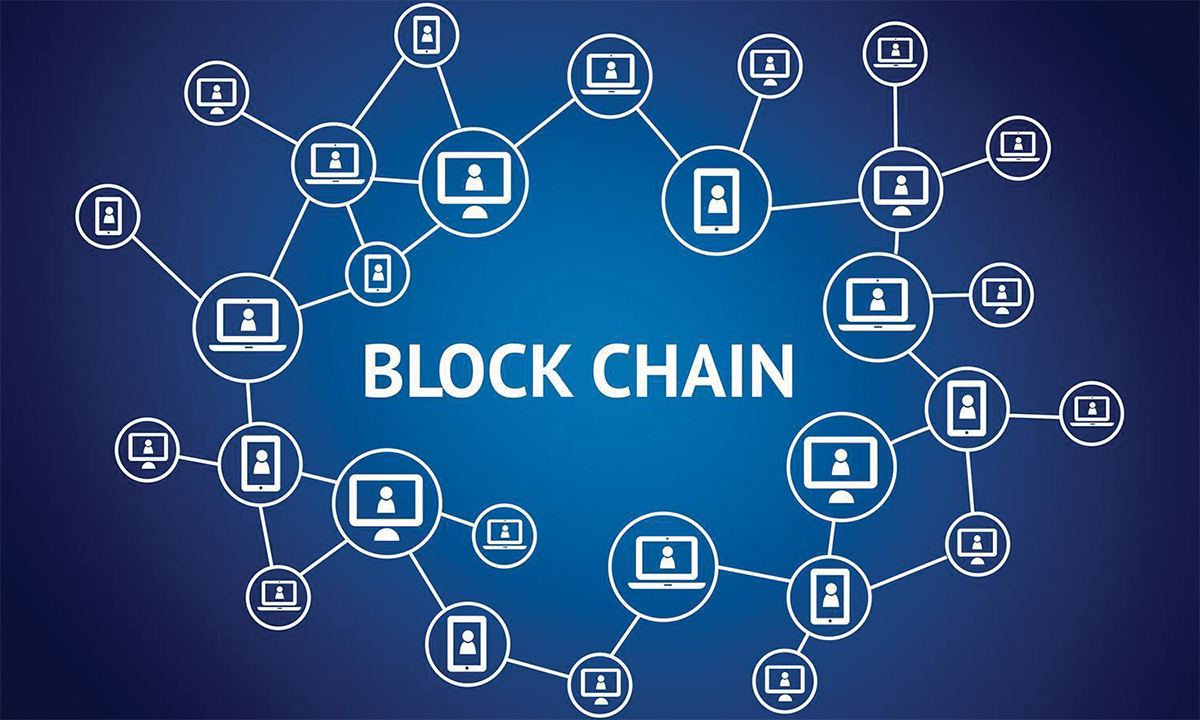
Student data is stored across multiple nodes, reducing risks of hacking, central server failures, or data manipulation.
d. Enhanced Student Ownership
Students gain full control over their credentials. They can share verified certificates anywhere without relying on intermediaries.
e. Global Recognition and Interoperability
Blockchain-based credentials are universal. Institutions in different countries can verify student achievements without paperwork or complex processes.
4. How Blockchain Works for Academic Credentials
Here’s how blockchain-based credential management typically functions:
a. Institution Issues Digital Credentials
Universities or learning platforms generate certificates and store their details on a blockchain network.
b. Unique Verification Link or ID
Each certificate receives a unique blockchain hash, which anyone can use to verify authenticity.
c. Students Share Credentials
Students share their digital certificates with employers, institutions, or online portfolios.
d. Instant Validation
Verification tools check the blockchain record and confirm whether the credential is genuine.
This process eliminates manual verification and guarantees accuracy.
5. Real-World Applications in Education
a. Digital Diplomas
Universities worldwide are issuing blockchain-based diplomas that can be shared with employers instantly.
b. Skill-Based Certifications
EdTech platforms use blockchain to certify micro-credentials, short courses, and skill achievements.
c. Cross-Institution Record Sharing
Academic records can be securely exchanged between universities when students transfer or pursue advanced degrees.
d. Professional License Verification
Fields such as medicine, engineering, and law can use blockchain to validate licenses and qualifications.
6. Challenges in Implementing Blockchain
a. Technical Complexity
Institutions must invest in infrastructure and expertise to adopt blockchain systems.
b. Regulatory Concerns
Data privacy laws require careful handling of student information on decentralized networks.
c. Adoption Resistance
Traditional institutions may be slow to adopt new technologies due to cost and change management.
d. Standardization Issues
Global standards for blockchain credentials are still developing, which may affect interoperability.
7. The Future of Blockchain in Education
As blockchain matures, it will play a central role in shaping secure, efficient, and globally recognized credential systems. Future developments may include:
-
Universal blockchain-based academic IDs
-
Fully automated global verification systems
-
Integration with AI for real-time validation
-
Lifelong learning passports managed on blockchain
Blockchain will eventually replace paper certificates and manual verification entirely, creating a seamless experience for students and institutions.
8. Conclusion
Blockchain is redefining how academic records are stored, verified, and shared. Its security, transparency, and efficiency make it the ideal technology for modern credential management. As education becomes more globalized and digital, blockchain will emerge as the foundation for trusted, tamper-proof academic verification.