

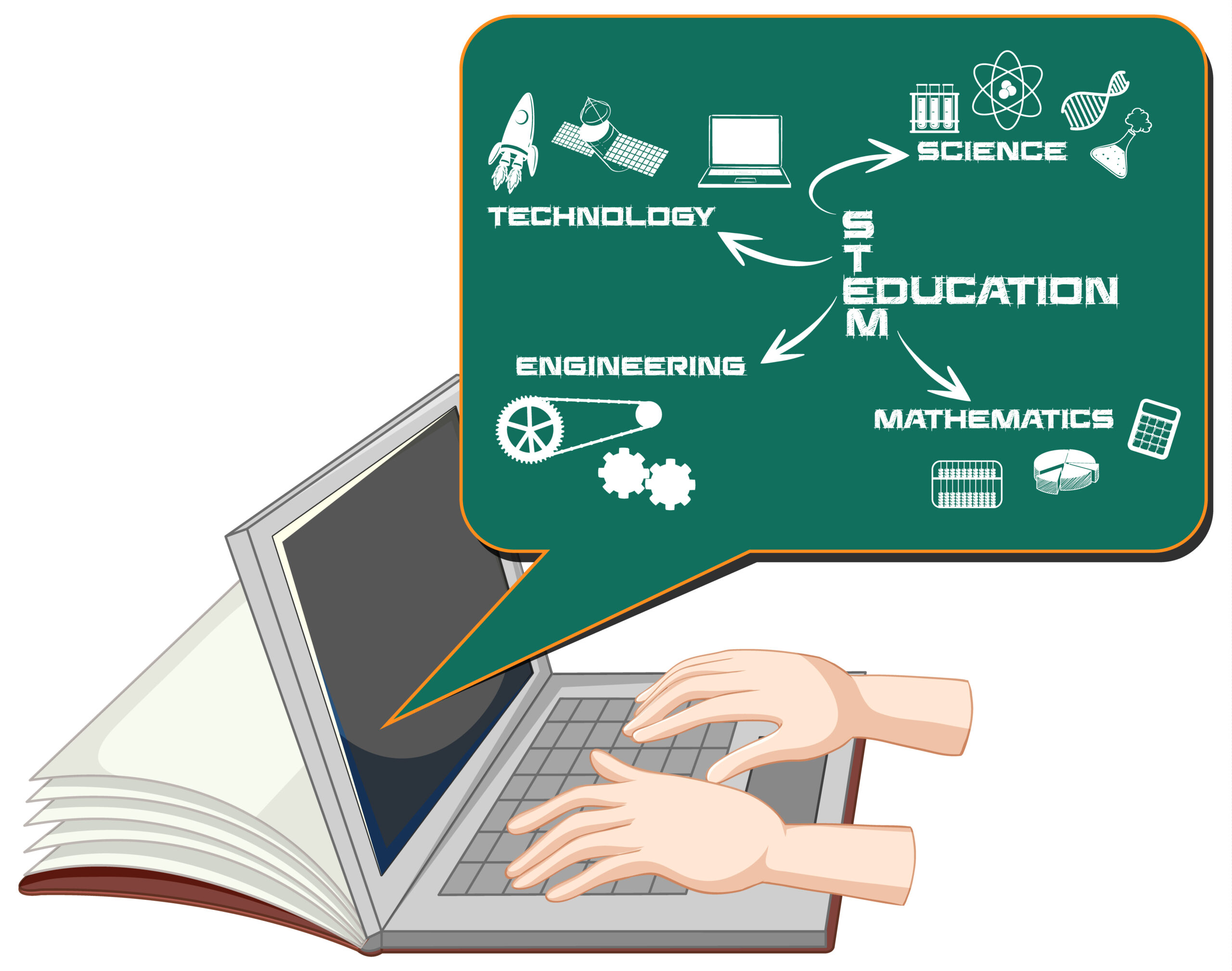
The concept known as the democratization of knowledge refers to the process of making information, education, and learning opportunities available to everyone regardless of their background or location. With digital technology and online platforms, students from small towns, rural communities, and developing regions can now access the same educational resources as learners in major global cities.
This transformation has been accelerated by educational technology platforms such as EasyShiksha and Edspectra, which aim to make learning more accessible, affordable, and career-focused. These platforms allow students to explore courses, develop professional skills, and prepare for the evolving demands of the modern workforce.
In the internet age, knowledge is no longer confined to classrooms or libraries. It is distributed across digital networks, online communities, and interactive learning platforms, empowering millions of students worldwide.
Understanding the Democratization of Knowledge
The democratization of knowledge involves removing traditional barriers that once restricted access to education. Historically, access to learning was often determined by socioeconomic status, institutional privilege, and geographic location. In the digital era, the internet has created new possibilities for open access to information. Students can learn about science, technology, business, arts, and countless other subjects through online resources, digital libraries, and virtual courses.
The internet has essentially become a global classroom where knowledge flows freely across borders. Educational platforms such as EasyShiksha provide structured learning environments that allow students to explore new subjects and build professional competencies without needing to attend expensive institutions. Meanwhile, Edspectra helps learners translate this knowledge into meaningful career opportunities by offering guidance on industry trends and professional development.
This combination of open access and structured learning represents a significant milestone in the evolution of global education.
The Role of the Internet in Transforming Education
The emergence of the internet has revolutionized how knowledge is created, shared, and consumed. Unlike traditional educational systems that rely on physical infrastructure, digital platforms allow knowledge to be distributed instantly and widely.
Students can now access lectures, research papers, tutorials, and skill-based training through online platforms at any time and from any location. This flexibility allows learners to pursue education at their own pace and according to their individual interests. Platforms such as EasyShiksha demonstrate how technology can expand educational opportunities by providing accessible courses in various disciplines. These courses enable students to gain knowledge, develop skills, and earn certifications that enhance their professional profiles.
Similarly, Edspectra supports students by helping them understand how their education aligns with real-world career opportunities. Through the internet, education has become a dynamic and interactive experience rather than a static process confined to traditional institutions.
Breaking Geographic and Economic Barriers
One of the most significant impacts of the democratization of knowledge is the removal of geographic and economic barriers. In the past, students often had to travel long distances or relocate to attend prestigious universities or specialized training programs.
Today, digital learning platforms enable students to access high-quality educational content from their homes. This is particularly beneficial for learners living in remote or underserved regions where educational resources may be limited. Platforms like EasyShiksha make learning more affordable and accessible by offering courses that do not require extensive financial investment. Meanwhile, Edspectra provides insights into career development and industry expectations, ensuring that students not only gain knowledge but also understand how to apply it in professional environments.
By reducing barriers to education, the internet empowers students from diverse backgrounds to pursue their academic and career aspirations.
The Rise of Self-Directed Learning
The internet has also encouraged the growth of self-directed learning. Students are no longer entirely dependent on traditional classroom structures to acquire knowledge. Instead, they can explore subjects independently and customize their educational journeys.
Self-directed learning requires curiosity, discipline, and the ability to evaluate reliable sources of information. When students actively engage in this process, they develop critical thinking skills and a deeper understanding of their chosen fields. Platforms such as EasyShiksha support self-directed learners by providing organized courses and structured learning paths that guide students through complex topics. Similarly, Edspectra helps learners identify skills that are relevant to their career goals, allowing them to make informed decisions about their educational priorities.
This approach encourages students to take ownership of their learning experiences and pursue knowledge that aligns with their ambitions.
The Impact of Digital Communities on Knowledge Sharing
Another important aspect of knowledge democratization is the rise of digital communities where learners and professionals exchange ideas, insights, and expertise.
Online forums, collaborative platforms, and educational networks allow students to interact with peers, mentors, and industry experts. These interactions create opportunities for collaborative learning and knowledge sharing that were previously difficult to achieve. Educational platforms like EasyShiksha encourage engagement through structured learning environments that facilitate interaction between learners and educational content. Meanwhile, Edspectra provides guidance that helps students connect their learning experiences with professional opportunities.
These digital communities contribute to a more inclusive educational ecosystem where knowledge is shared openly and collaboratively.
Challenges in the Democratization of Knowledge
While the internet has expanded access to information, it has also introduced new challenges. The abundance of online content can sometimes make it difficult for students to identify reliable and credible sources of information.
Additionally, the digital divide—differences in access to internet connectivity and digital devices—can still limit educational opportunities for some communities. Educational platforms have an important role to play in addressing these challenges by providing structured, high-quality content that students can trust. Platforms like EasyShiksha ensure that learners have access to organized courses and verified learning materials.
Similarly, Edspectra helps students navigate their educational journeys by offering career guidance and professional insights. By maintaining quality standards and supporting learners, these platforms contribute to a more reliable and effective digital education environment.
Preparing Students for the Knowledge Economy
The democratization of knowledge has also contributed to the emergence of the knowledge economy, where intellectual capabilities and specialized skills drive economic growth.
In this environment, individuals who possess relevant skills and expertise have greater opportunities for professional success. Continuous learning and adaptability are essential for navigating the rapidly evolving job market. Platforms like EasyShiksha help students acquire skills that are aligned with modern industry requirements. Meanwhile, Edspectra provides insights into career pathways and emerging fields, enabling students to make strategic decisions about their professional development.
By combining accessible education with career-oriented learning, these platforms prepare students for meaningful participation in the global economy.
The Future of Knowledge in the Digital Age
As technology continues to advance, the democratization of knowledge is expected to expand even further. Innovations such as artificial intelligence, adaptive learning systems, and virtual classrooms are likely to transform education in unprecedented ways.
These technologies will enable more personalized learning experiences, allowing students to receive customized recommendations based on their interests, strengths, and career goals. Platforms like EasyShiksha are already contributing to this transformation by integrating digital tools that enhance accessibility and learning efficiency. Similarly, Edspectra continues to support students by connecting education with career opportunities in emerging industries.
The future of education will likely be defined by greater collaboration, innovation, and accessibility, ensuring that knowledge remains available to all.
Conclusion: Empowering Students Through Accessible Education
The democratization of knowledge in the internet age represents one of the most significant educational transformations in human history. By removing traditional barriers and expanding access to information, the internet has created opportunities for millions of students to learn, grow, and pursue their ambitions.
Educational platforms such as EasyShiksha and Edspectra exemplify this transformation by providing accessible learning environments that combine academic knowledge with career-oriented skills. In the digital era, education is no longer limited by physical boundaries or institutional constraints. Instead, it is shaped by innovation, connectivity, and the collective pursuit of knowledge.
Students who embrace these opportunities and actively engage with digital learning platforms can unlock their potential, contribute to the global knowledge economy, and build meaningful careers in an increasingly interconnected world.