

Introduction
Strong communication between parents and teachers plays a vital role in a student’s academic success. Traditionally, this communication relied on periodic meetings, handwritten notes, or limited updates, often leaving gaps in understanding and engagement.
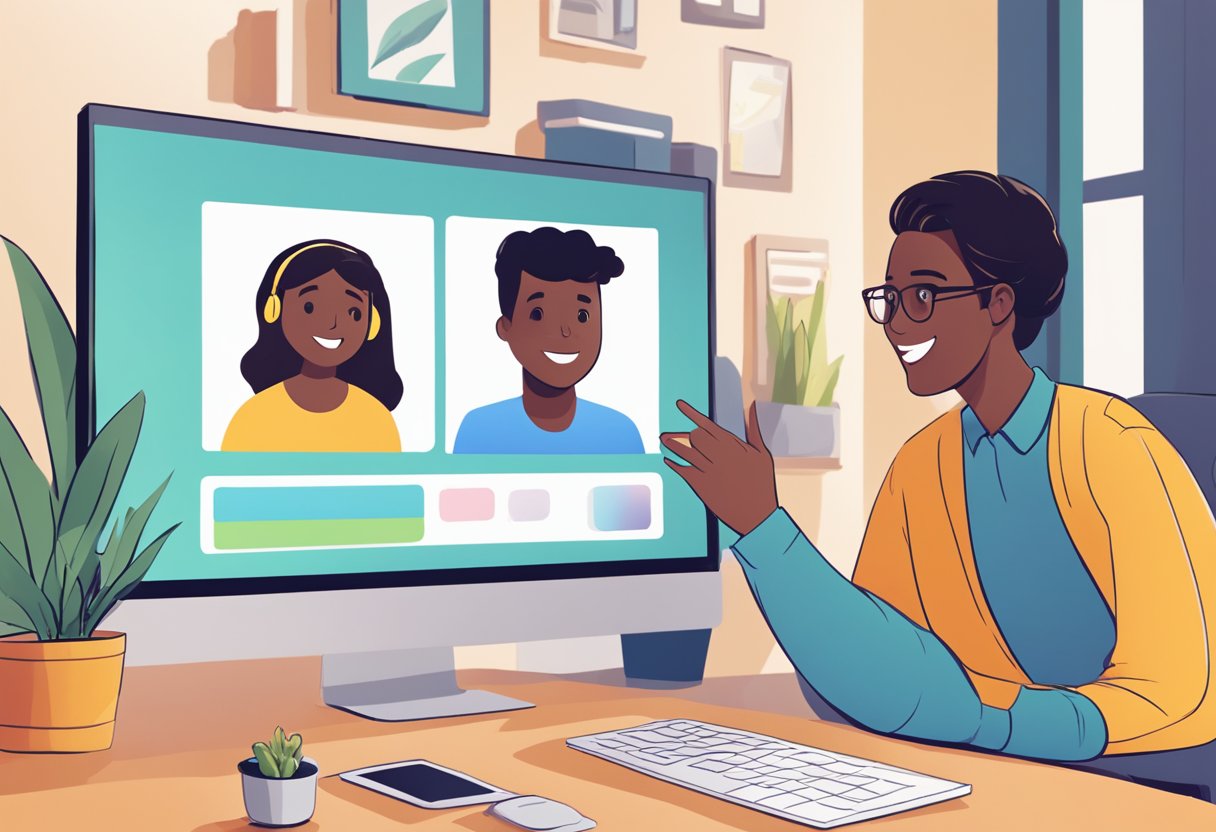
In 2025, EdTech platforms are reimagining parent-teacher communication by enabling real-time updates, transparent progress tracking, and collaborative support systems that bridge the gap between home and school. Centralized learning ecosystems such as EasyShiksha’s online courses platform help schools and families stay connected through structured digital learning environments.
The Challenges of Traditional Home-School Communication
Conventional communication methods often suffer from delays, missed messages, and lack of consistency. Parents may struggle to stay informed about academic progress, while teachers face challenges managing communication with multiple families.
Modern EdTech platforms solve these issues by offering unified dashboards where academic updates, notices, and learning resources are available in one place. Platforms that aggregate diverse learning programs make it easier for parents to understand curriculum direction and skill pathways.
How EdTech Platforms Improve Transparency
Digital learning systems provide parents with instant access to attendance records, assessments, and assignment updates. Teachers can share structured feedback and announcements without depending on in-person meetings.
This transparency builds trust and allows parents to engage proactively with their child’s education by understanding both academic progress and long-term skill development goals.
Supporting Learning at Home Through Structured Course Libraries
Effective parent-teacher communication also involves helping families understand what students are learning and why it matters. When schools align classroom instruction with well-organized online learning libraries, parents can follow progress more clearly.
For example, foundational programming concepts taught in school can be reinforced using beginner-friendly courses like C Basics for Beginners, which demonstrate how structured learning paths make technical subjects easier to track and support at home.
Encouraging Skill Development With Practical Learning Insights
EdTech platforms increasingly focus on skill-based outcomes rather than only grades. This allows teachers to communicate how classroom lessons translate into practical, real-world abilities.
Skill-oriented programs such as Zero to Hero in Python GUI Development reflect how students progress from fundamentals to applied learning. When such structured skill journeys are communicated digitally, parents gain clearer insight into long-term learning value.
Reaching Families Through Inclusive Digital Access
To ensure no family is left behind, modern communication tools prioritize accessibility across devices. Mobile-friendly platforms and simplified interfaces allow parents to stay informed regardless of technical background or time constraints.
Educational ecosystems that also include kids learning and family-focused sections help extend communication beyond academics, supporting holistic child development and stronger home-school partnerships.
Conclusion
Parent-teacher communication in 2025 is no longer limited to meetings or paper notes. Through EdTech platforms, schools can offer transparency, consistency, and meaningful collaboration that strengthens student outcomes.
By combining centralized course platforms, skill-based learning visibility, and accessible digital tools, the home-school gap continues to close—empowering parents and teachers to work together in guiding students toward long-term success.